 Image 1 of 2
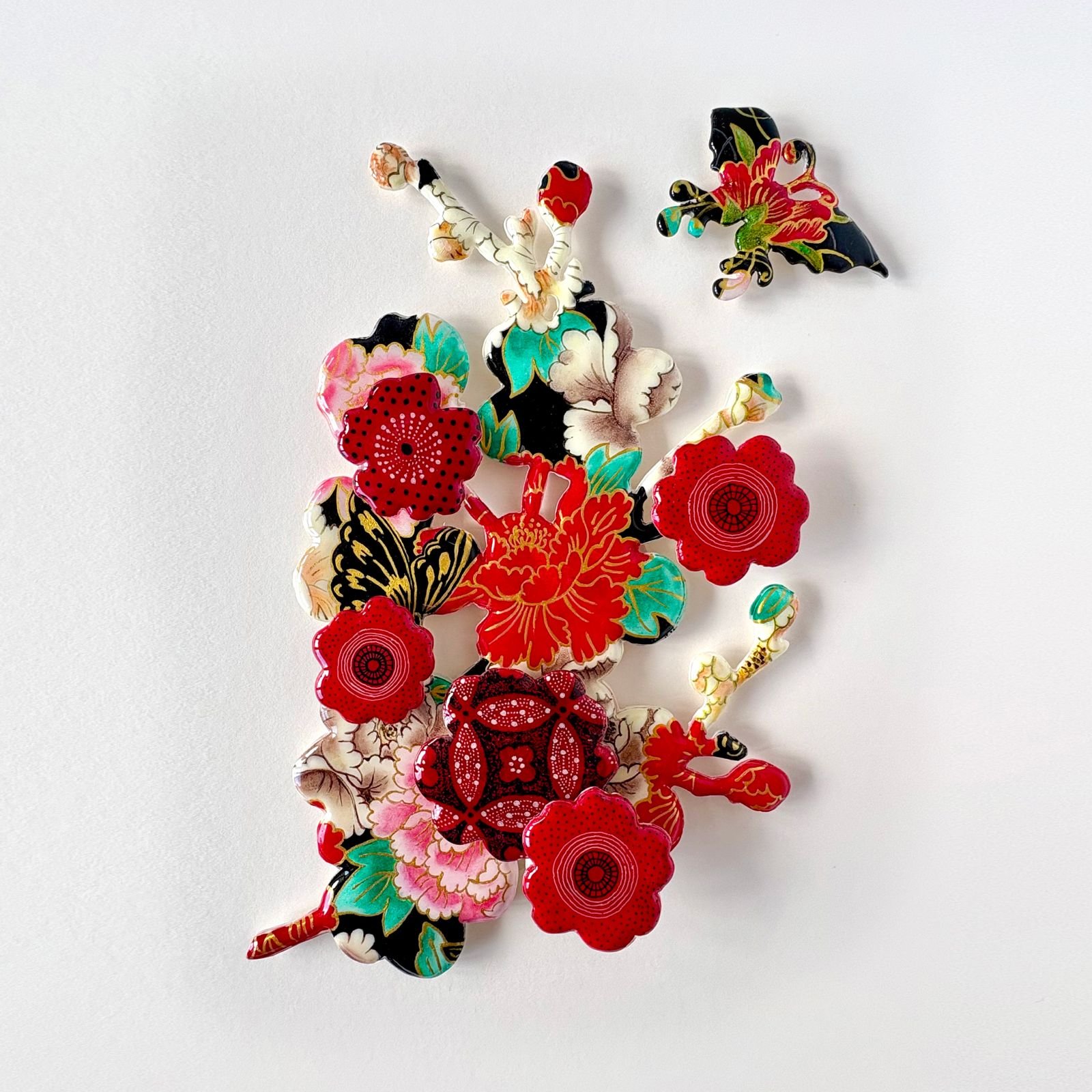 Image 2 of 2
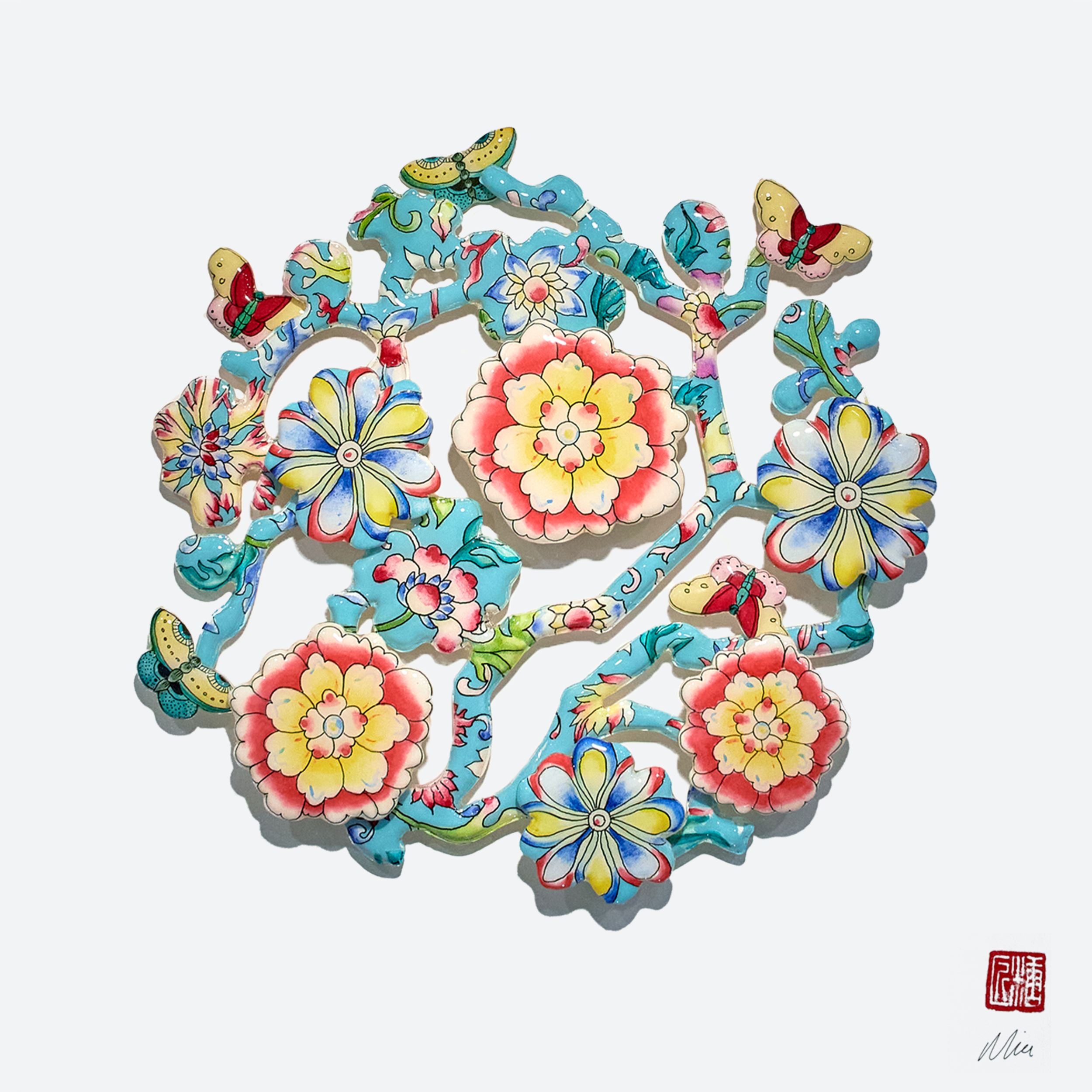
The Blooming Branch Series 花開富貴系列
One of the most auspicious couplets that one sees displayed during Chinese New Year is Huā kāi fùguì, Zhú bào píng'ān (花開富貴、竹報平安). The meaning in English is that blooming flowers bring wealth and honour, and bamboo echoes peace and comfort. The couplet provides a clue to the Chinese tradition of using flora images as symbols for spiritual qualities.
In the Six Dynasties period (AD 220-589), Tao Yuanming (AD 365–427), a politician and an intellectual, wrote a collection of poems about the idyllic life of living in a farmhouse in retirement. The reason for Tao to retire and move to a farm was that he could not put up with the corruption he saw in his time among his fellow officials. He preferred to give up his post and retire to the farm.
In one of the poems, he talked about the beauty and serenity offered by nature as well as the pleasure he had while picking chrysanthemums in his farm garden. And since then, chrysanthemums have become the symbols for honour, courage and perseverance.
And in the Song Dynasty (AD 960 - 1279), Zhou Dunyi, a cosmologist and philosopher, wrote an essay with the title, “On the Love of Lotus”, in which he made comments on chrysanthemum and peony in addition to presenting his argument why he described the lotus as the flower of the virtuous. He said, “The chrysanthemum is like the high-minded recluses, the peony the wealthy, and the lotus the virtuous.” (菊,花之隱逸者也;牡丹,花之富貴者也;蓮,花之君子者也). One of the virtuous characters he observed in the lotus was that it grew in a muddy pond but was not contaminated by the soil. For this reason, Zhou drew parallels between the lotus and a virtuous Confucian scholar who was grounded in high moral standards and would not compromise his integrity.
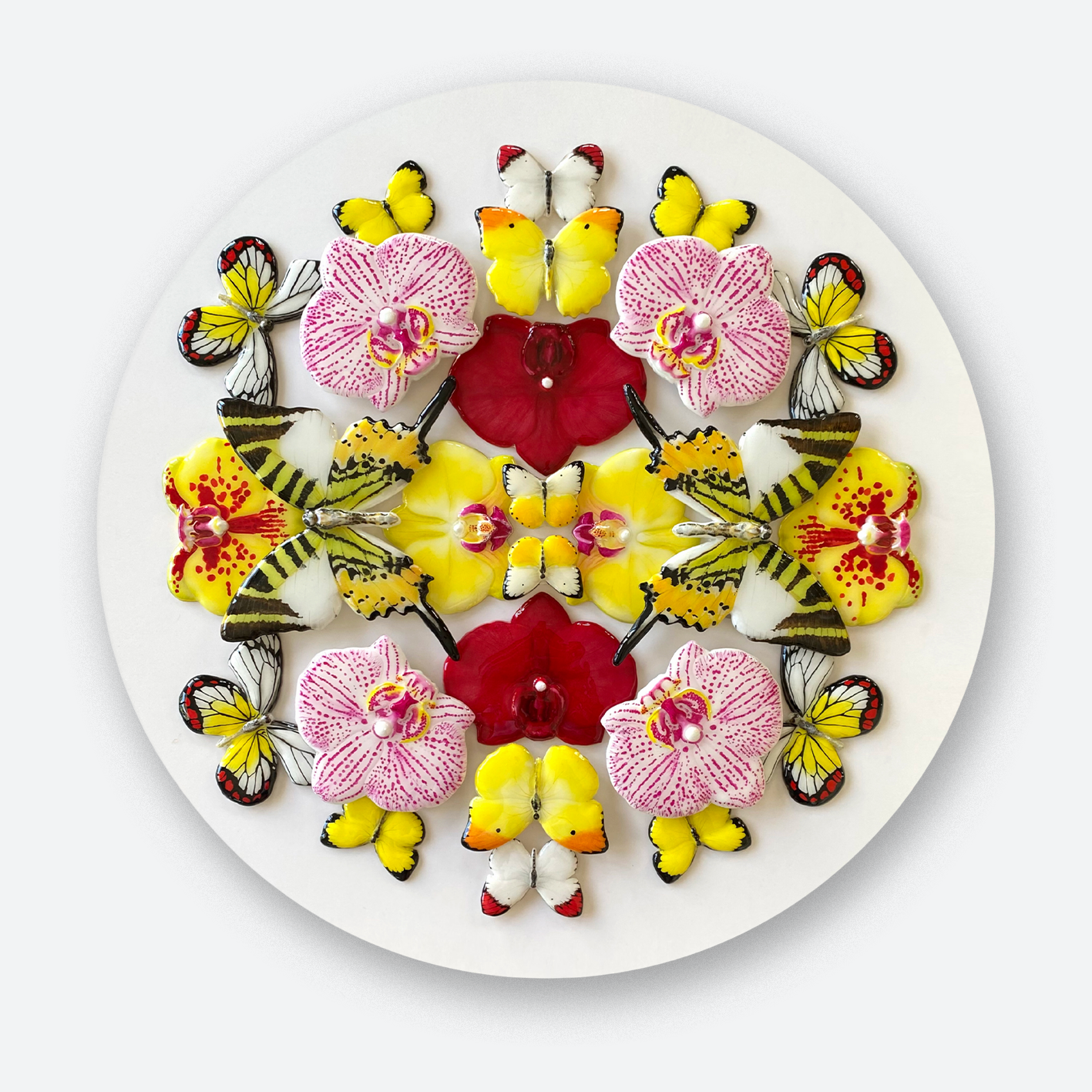
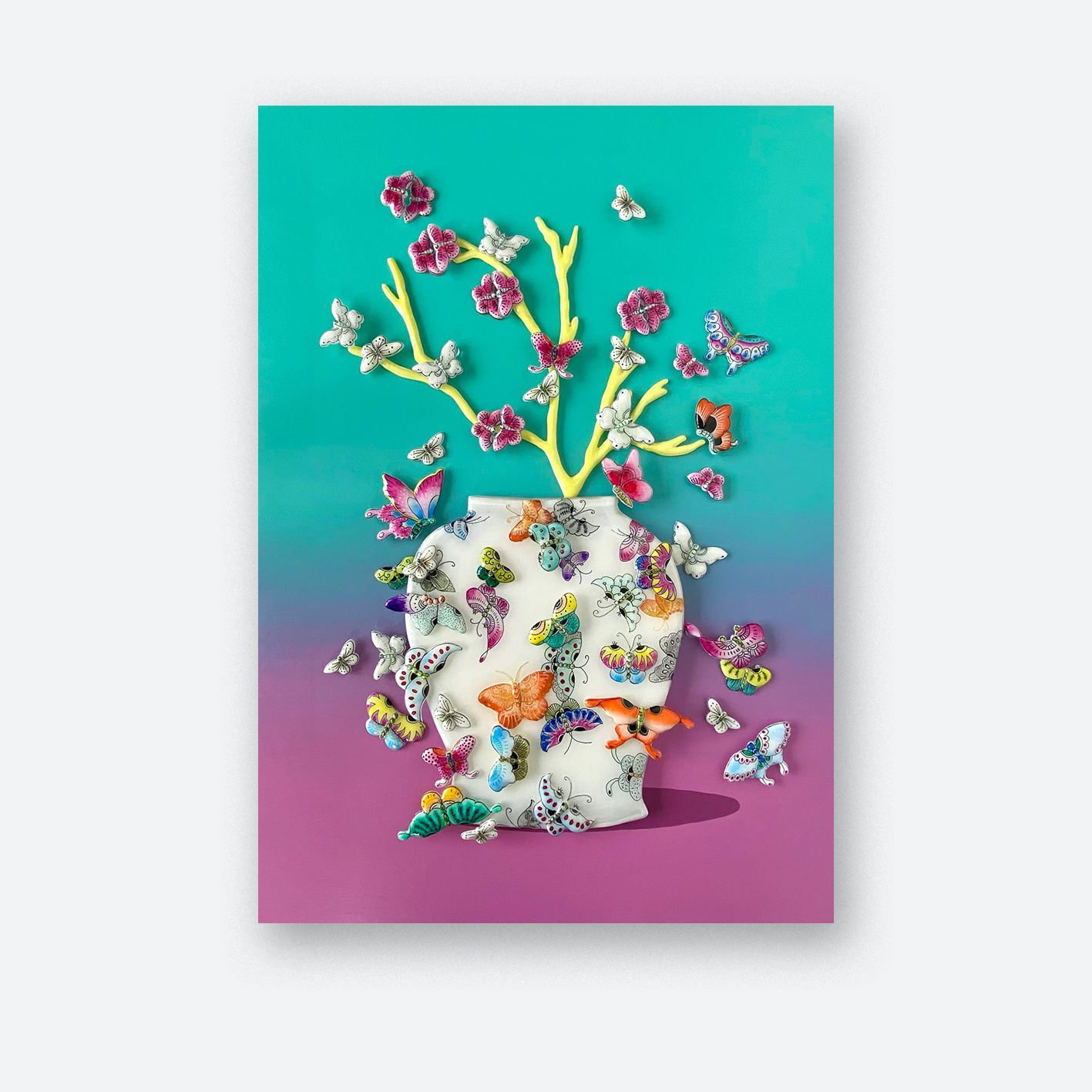
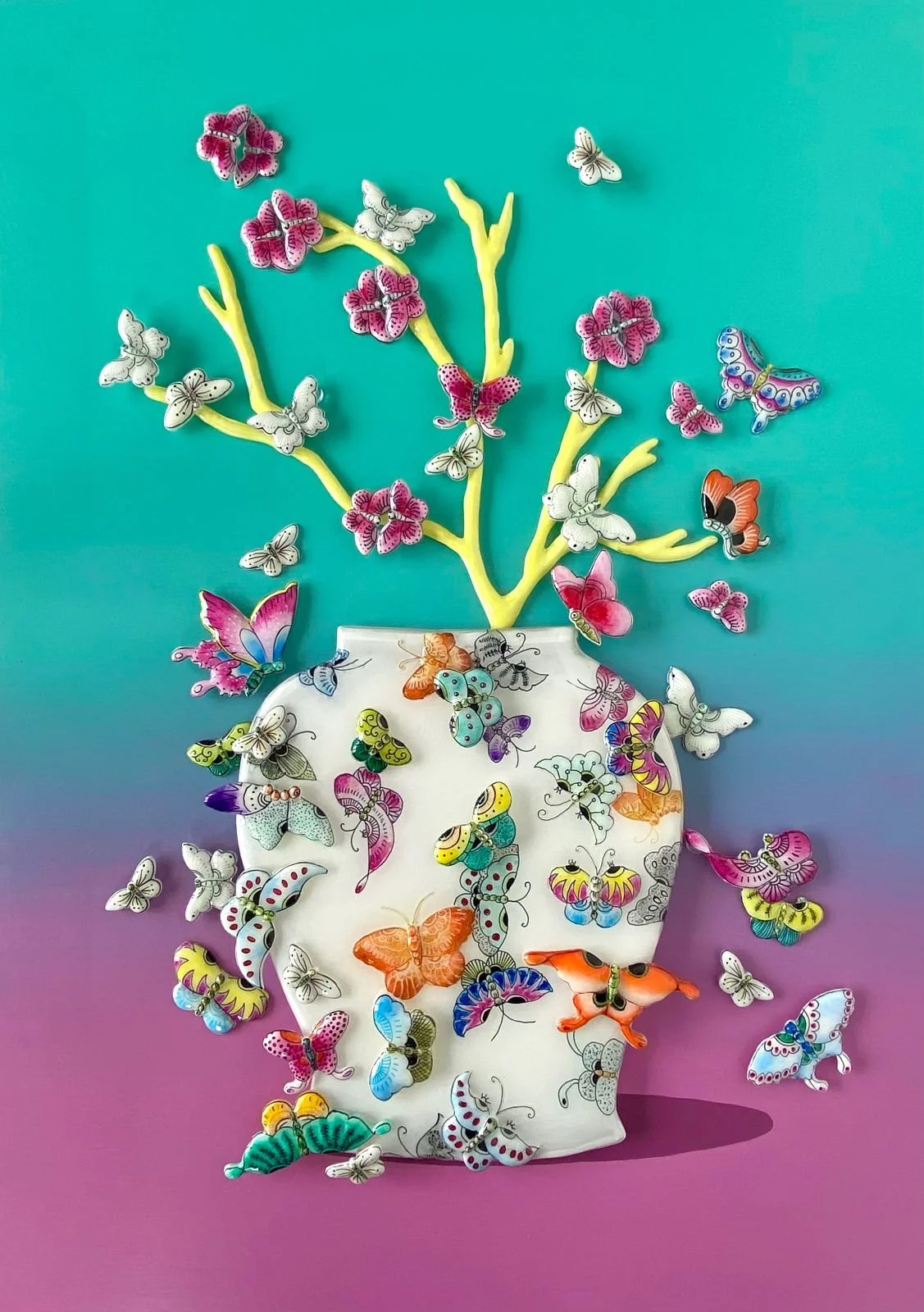
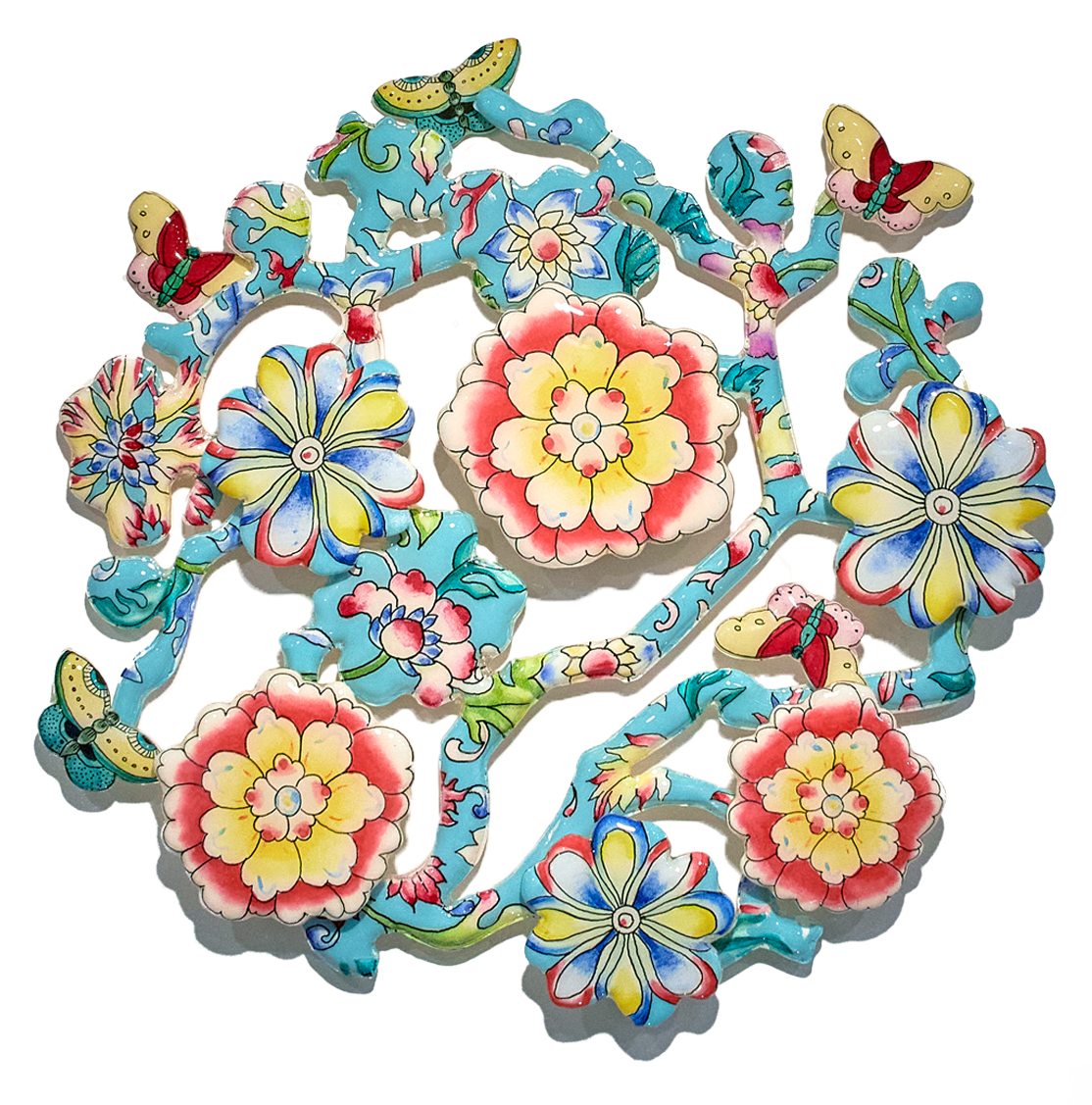
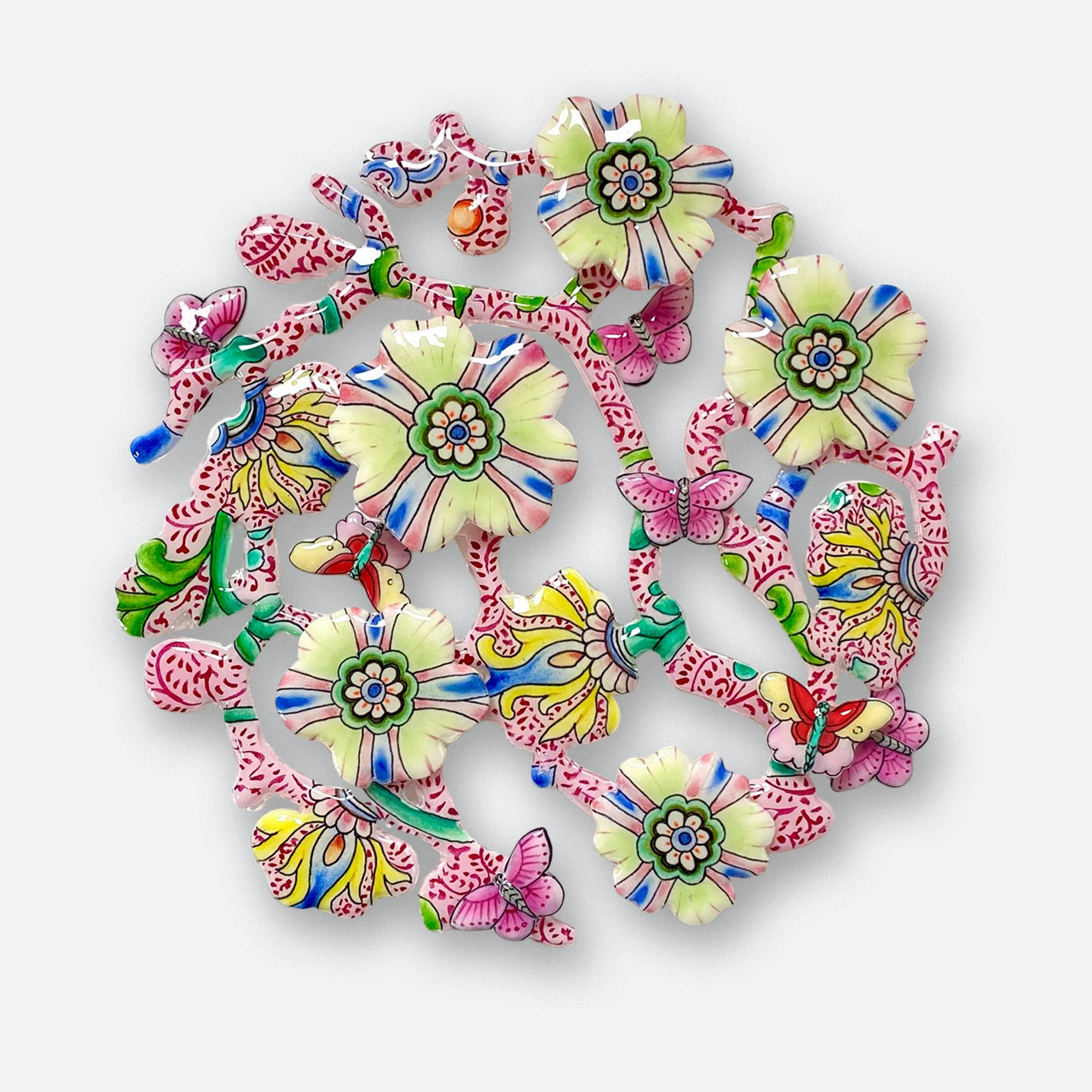
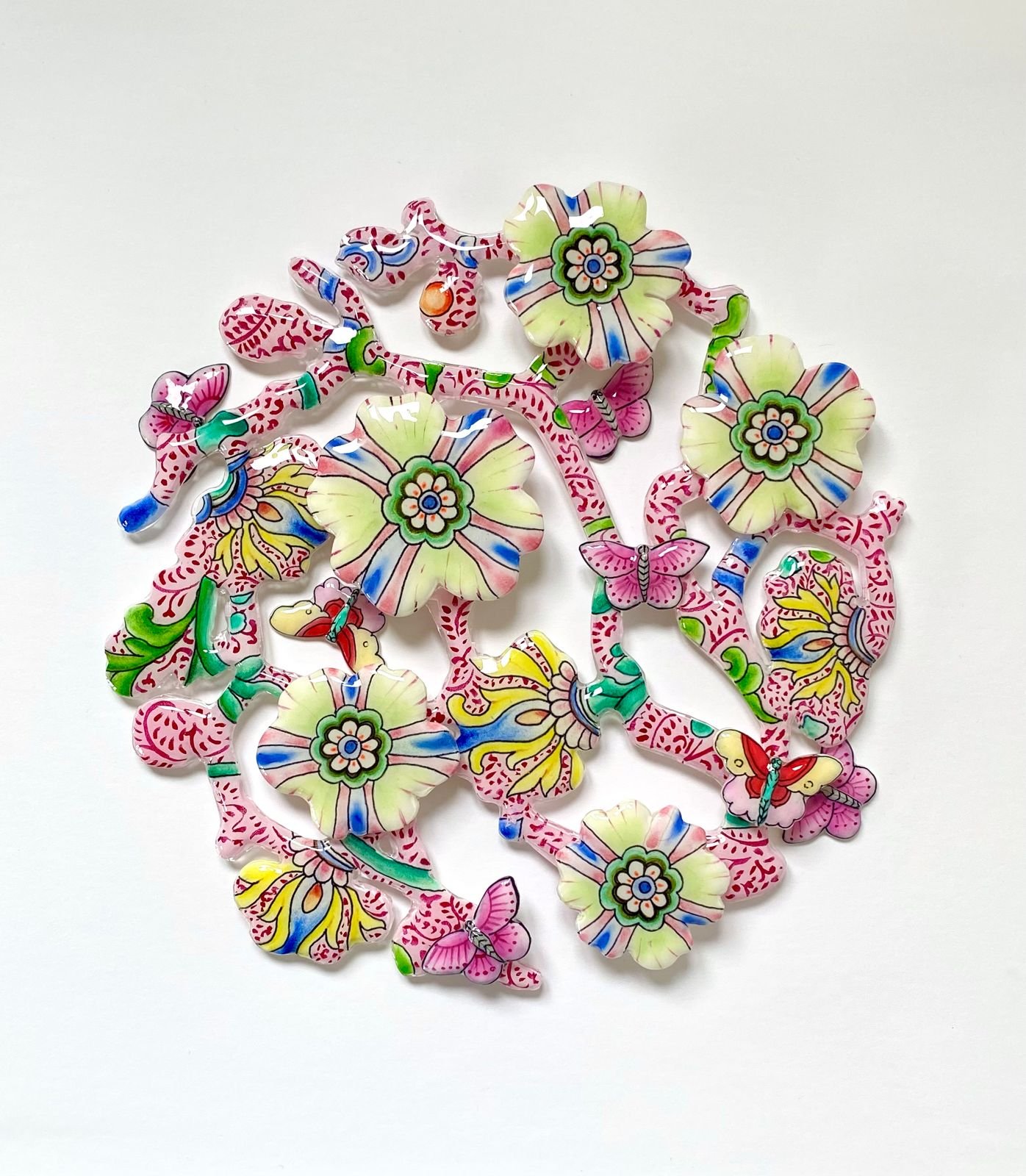
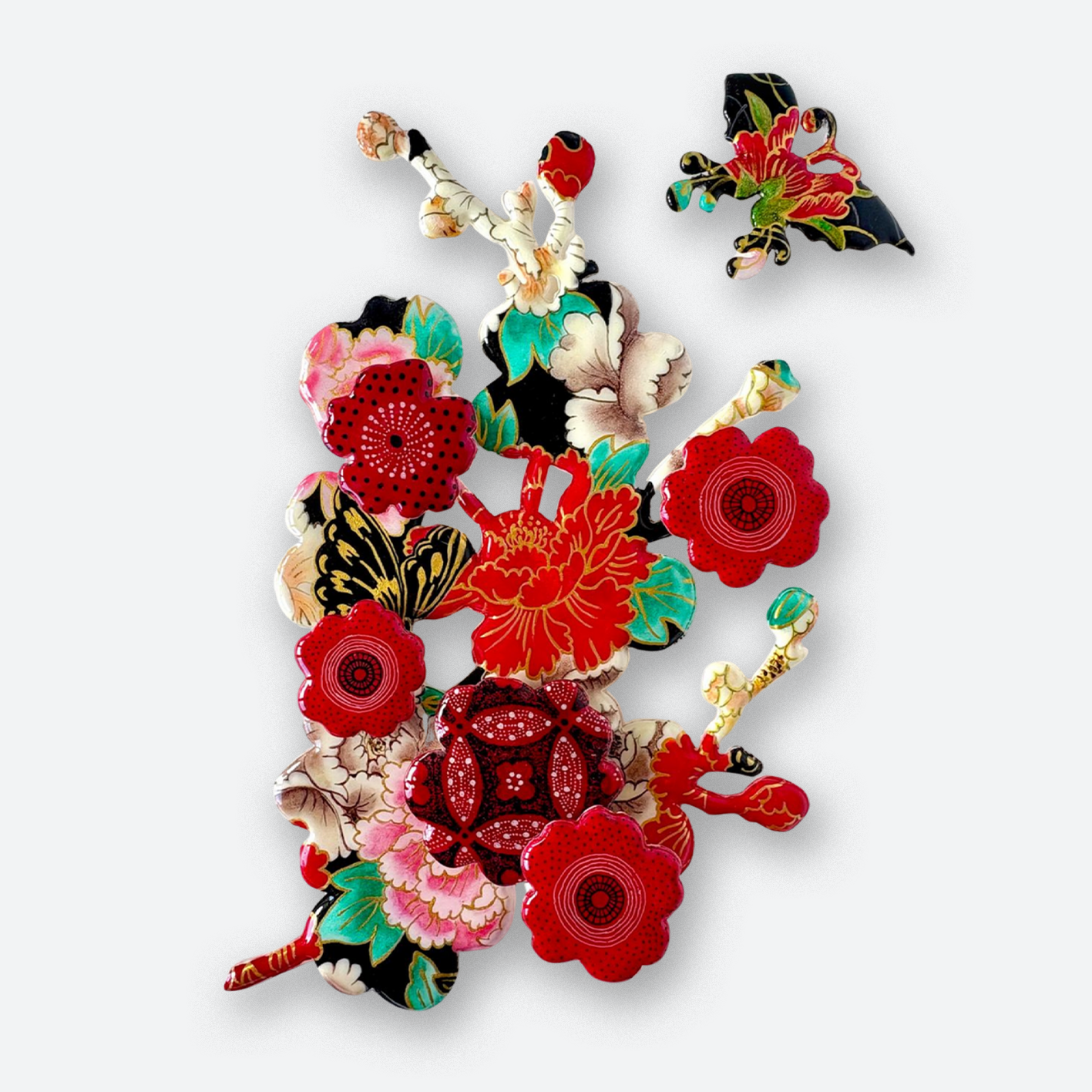
In this collection of blooming branches, Mia reinterpreted the ancient Chinese literary images with forms and aesthetics, thus transforming the intangible into the tangible.
In this collection of blooming branches, Mia has reinterpreted the Chinese ancients' literary images with forms and aesthetics, thus transforming something intangible into something tangible.