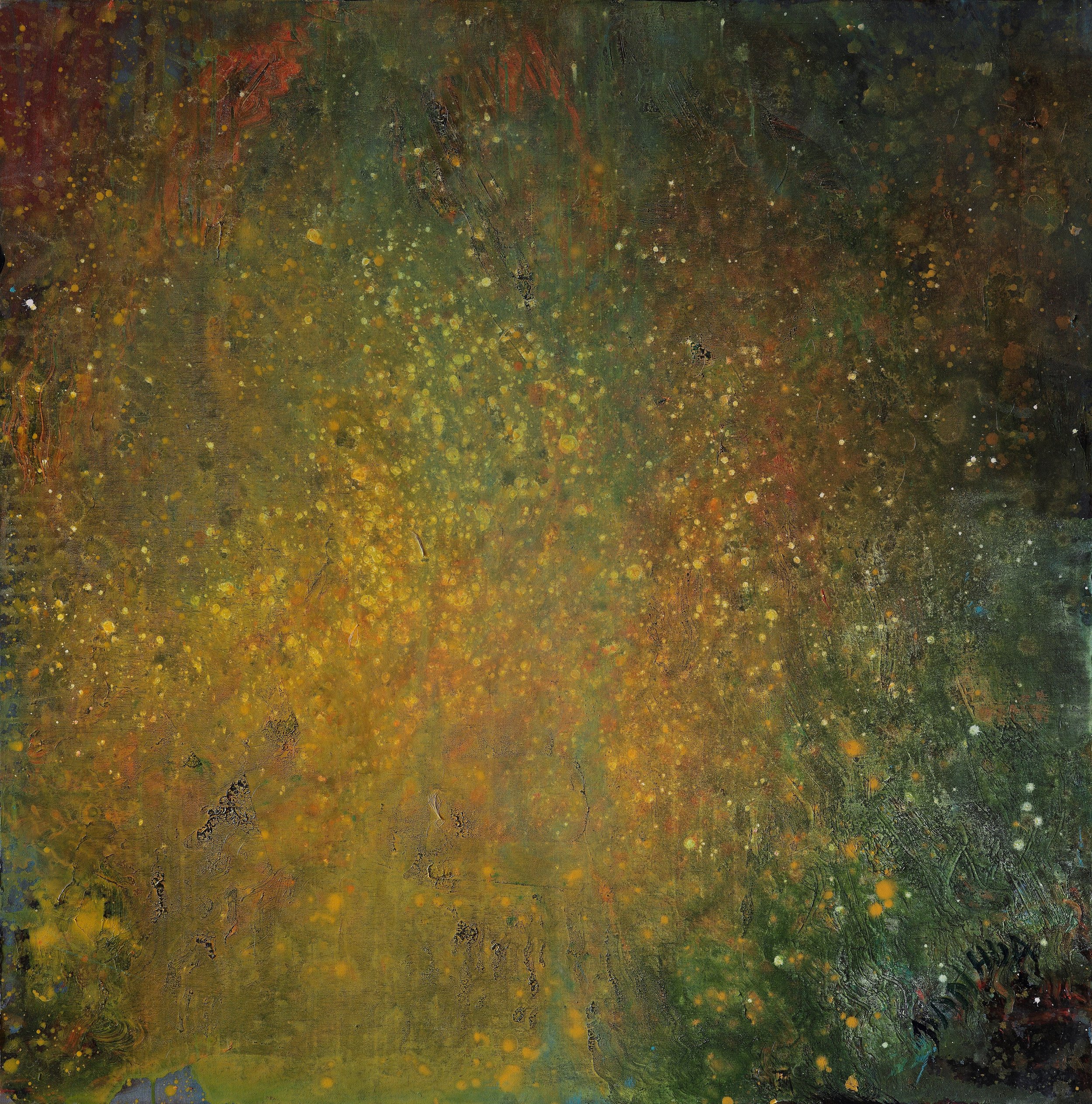
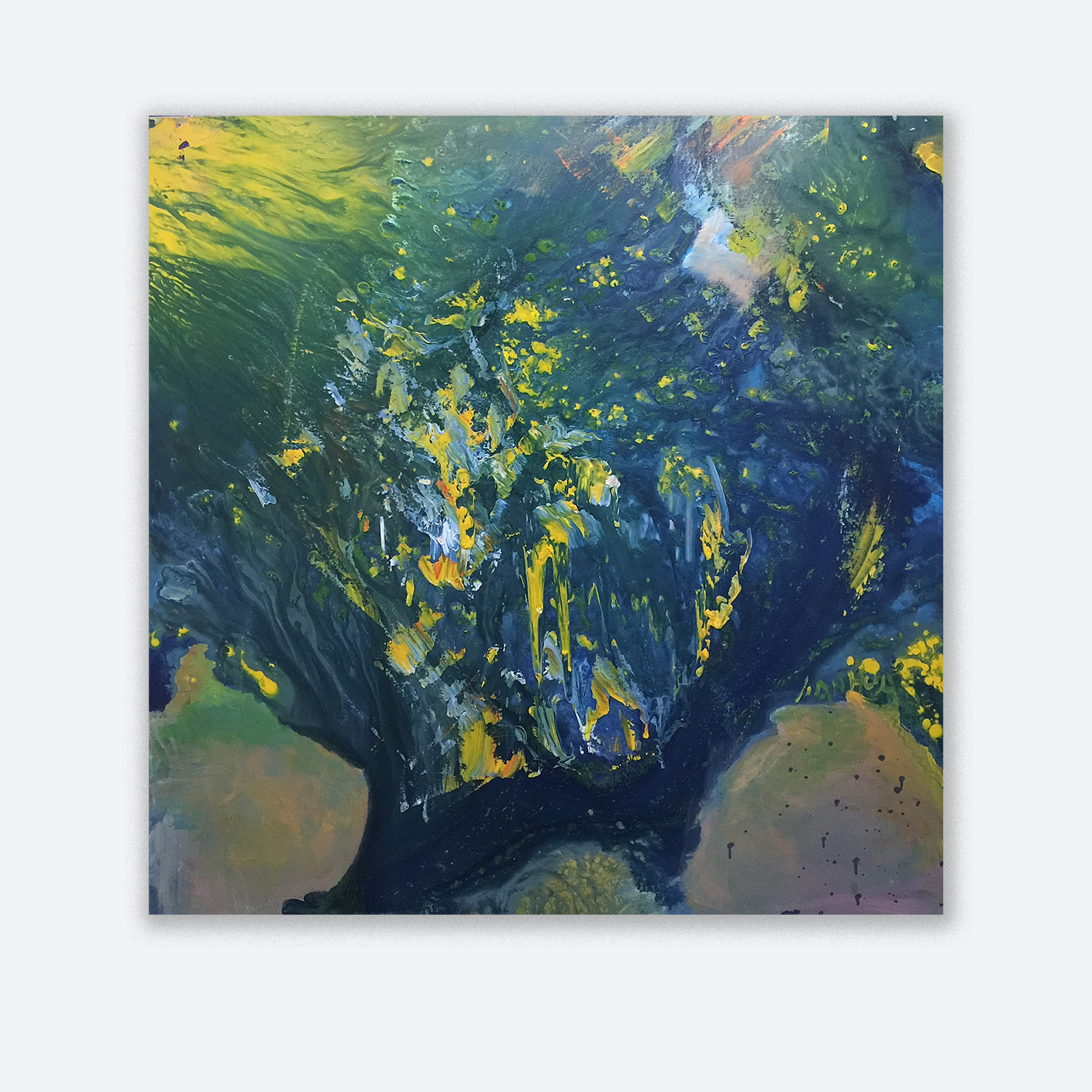
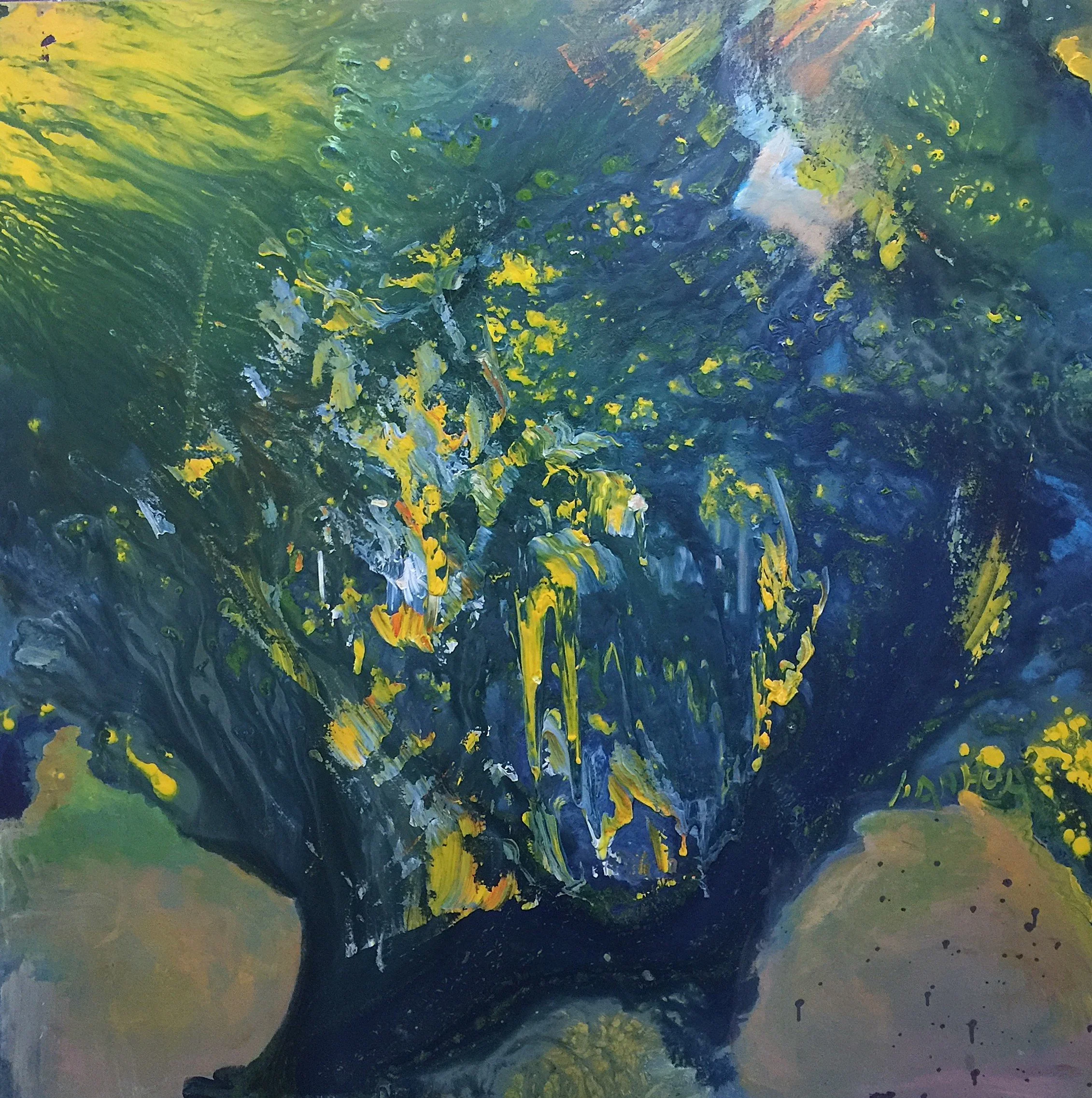
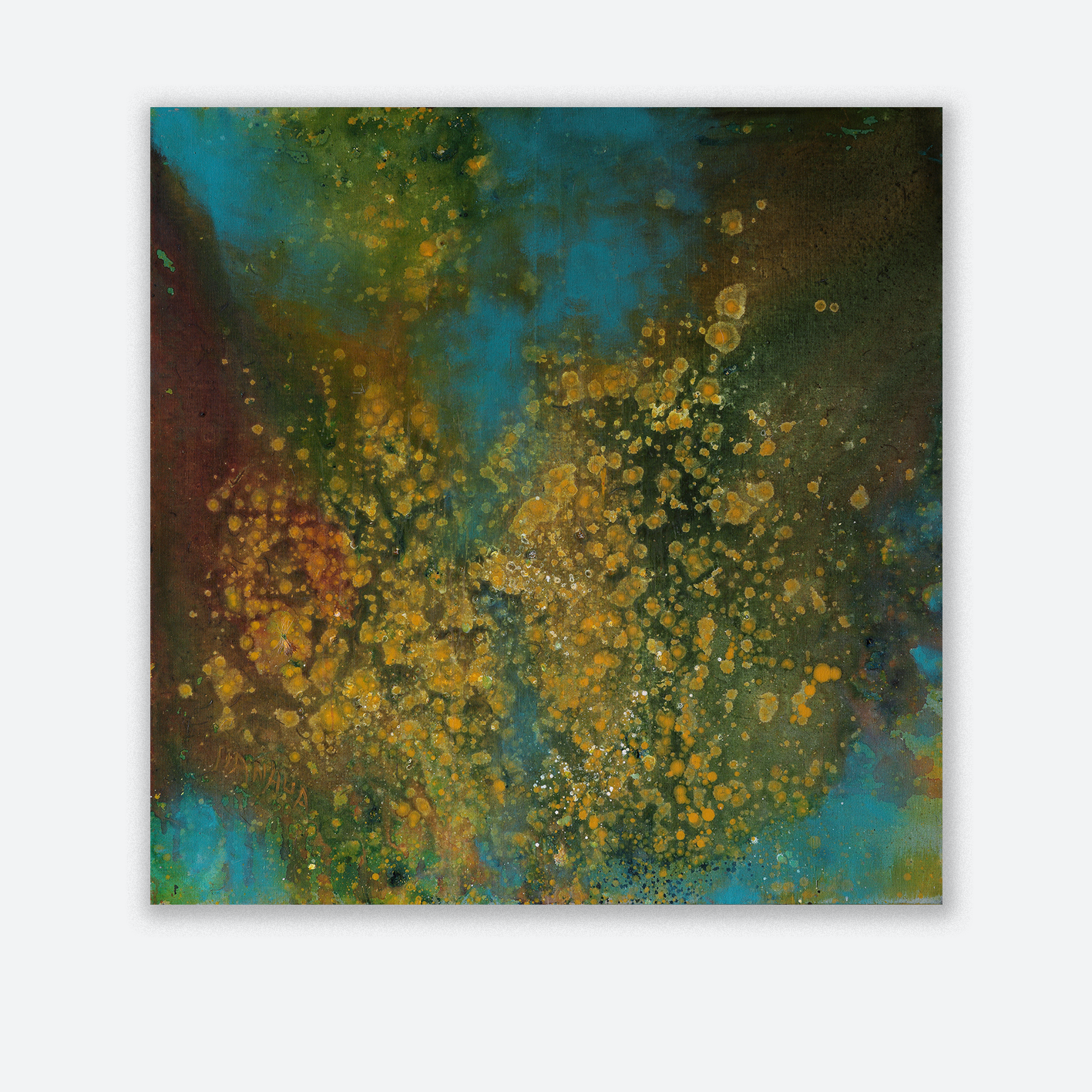
 Image 1 of 2
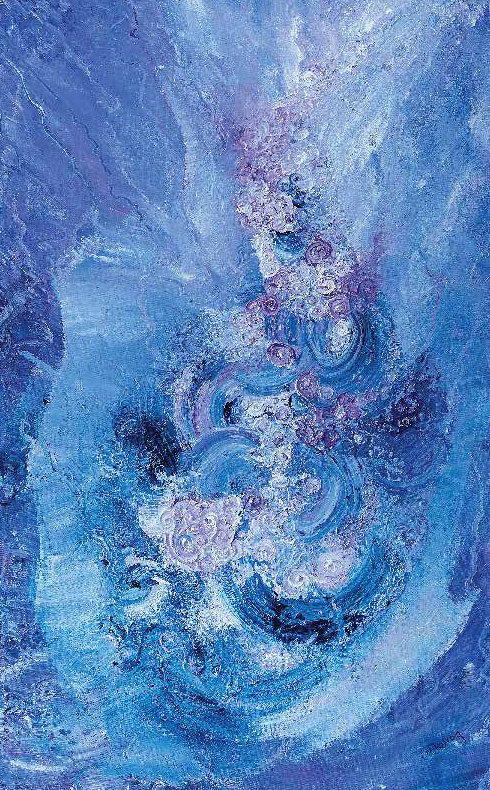 Image 2 of 2
“The Primordial Rhythm of the Earth” is a symphony rendered not in musical notes but in colours. The powerful images presented in this collection are inspired by the artist's perception of a universal rhythm that gives order and harmony to all elements, both celestial and earthly. This understanding of a universal rhythm came to Zhou implicitly at a young age, as a child growing up on a farm —an upbringing largely in tune with the changes and variations of natural phenomena in seasons and climates.
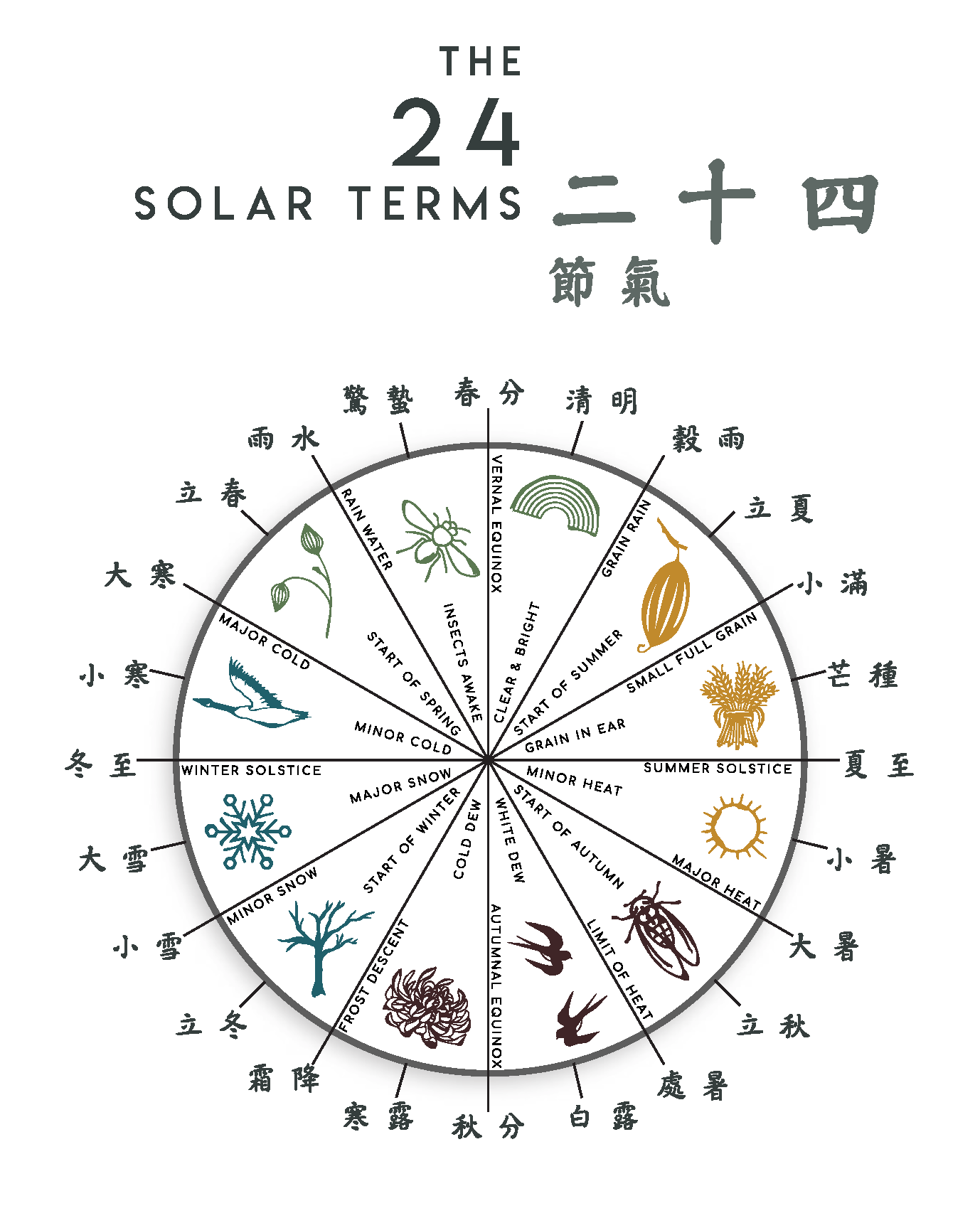
Zhou was born and grew up in Henan, a province considered to be one of China's most important agricultural production powerhouses. For Zhou, her recollection of a childhood in Henan consists of memories of working in the fields with her parents and siblings. Farmers in China traditionally used a lunisolar calendar, consisting of 24 solar terms (Ershisi Jieqi), which Zhou's family also abided by. The calendar takes into consideration interannual variations of not just seasons, but climate, phenology, and astronomy. Each term is named after the most observable phenomenon in that period of time, such as Autumnal Equinox, or Major Heat, Cold Dew, and Grain in Ear. Before the advent of technology, it was a useful forecast for farmers that allowed them to take precautions and plan ahead. Zhou remembers celebrations at the intervals of different solar terms-bigger celebrations of reunion dinners for the entire clan, and smaller celebrations of nice meals for the immediate family; at times, such gatherings would include an excursion to visit the ancestors' hall or graveyard, or entertainment such as dances, lion dances, and dragon boat races.
Thus, for young Zhou Lian Hua, changes in natural phenomena were associated with warm memories of family love, joy, and celebration, indelibly leaving a sense of awareness and respect for nature, and a sense of the cycle of life-birth, death, renewal. It led to an understanding that life is not just to be merely lived, but to be fully embraced in its changes and turns. There is also a sense of guidance in the cyclical nature that the primordial rhythm of the earth has to offer— a constant even in change, even a kind of harmony.
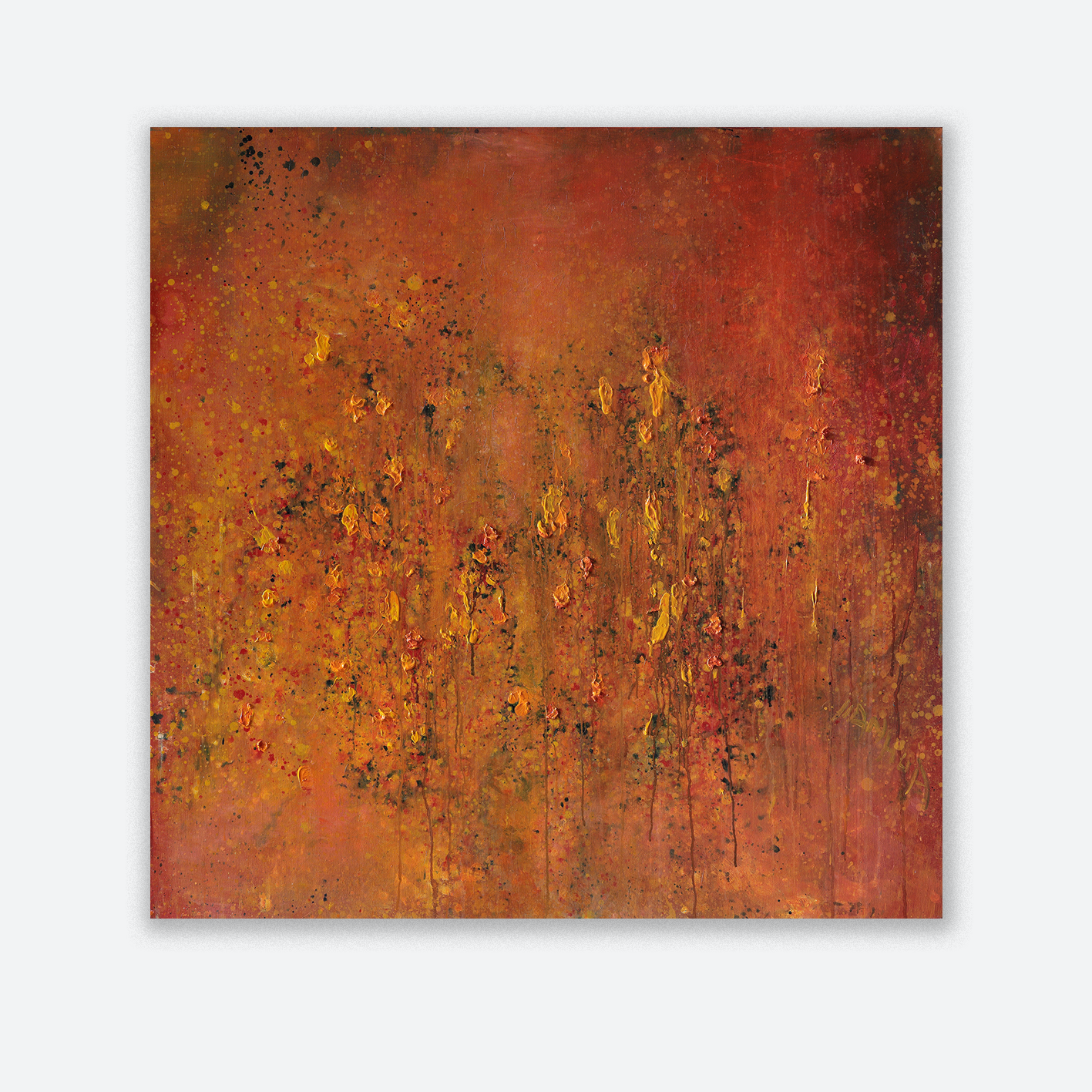
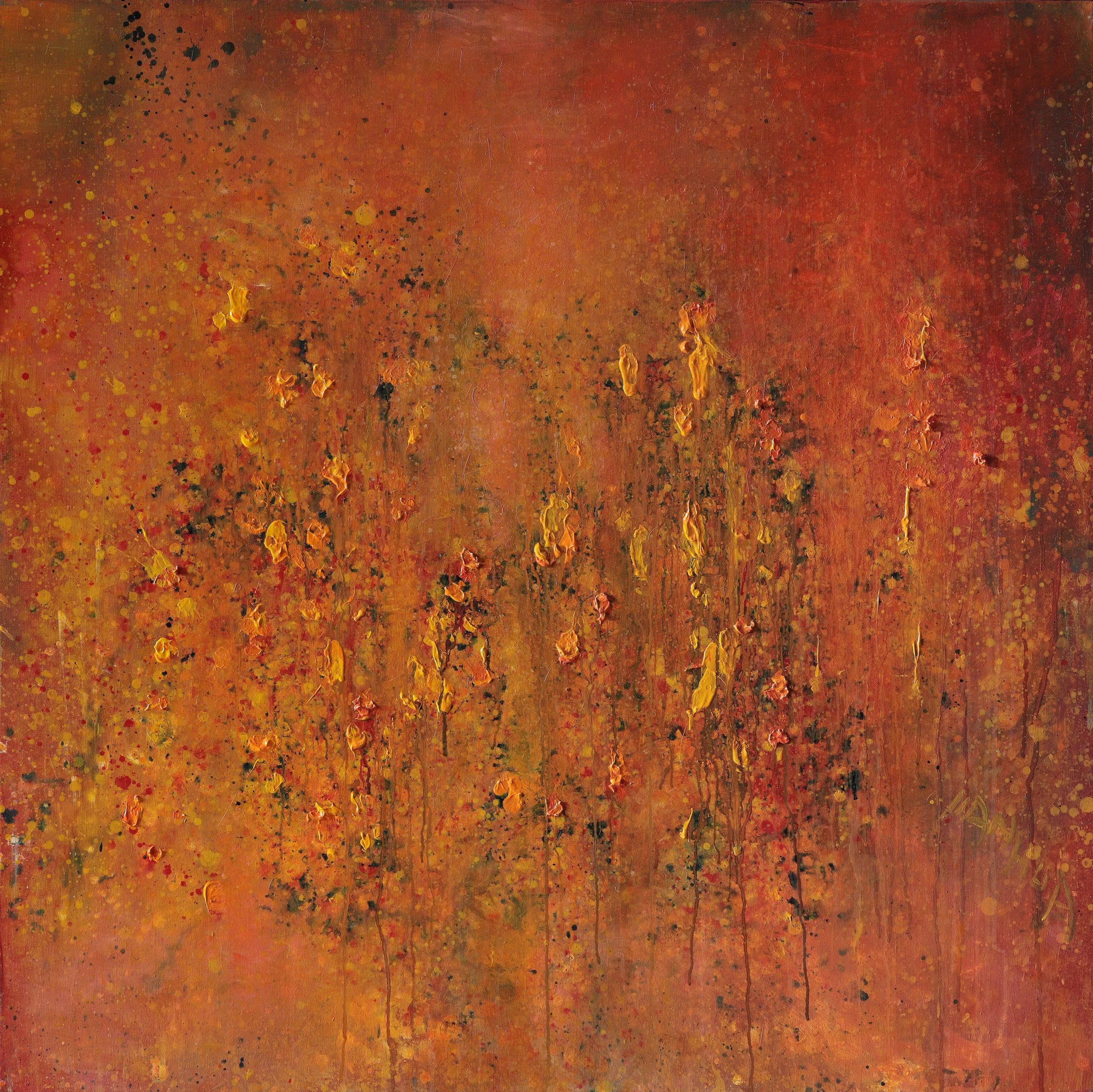
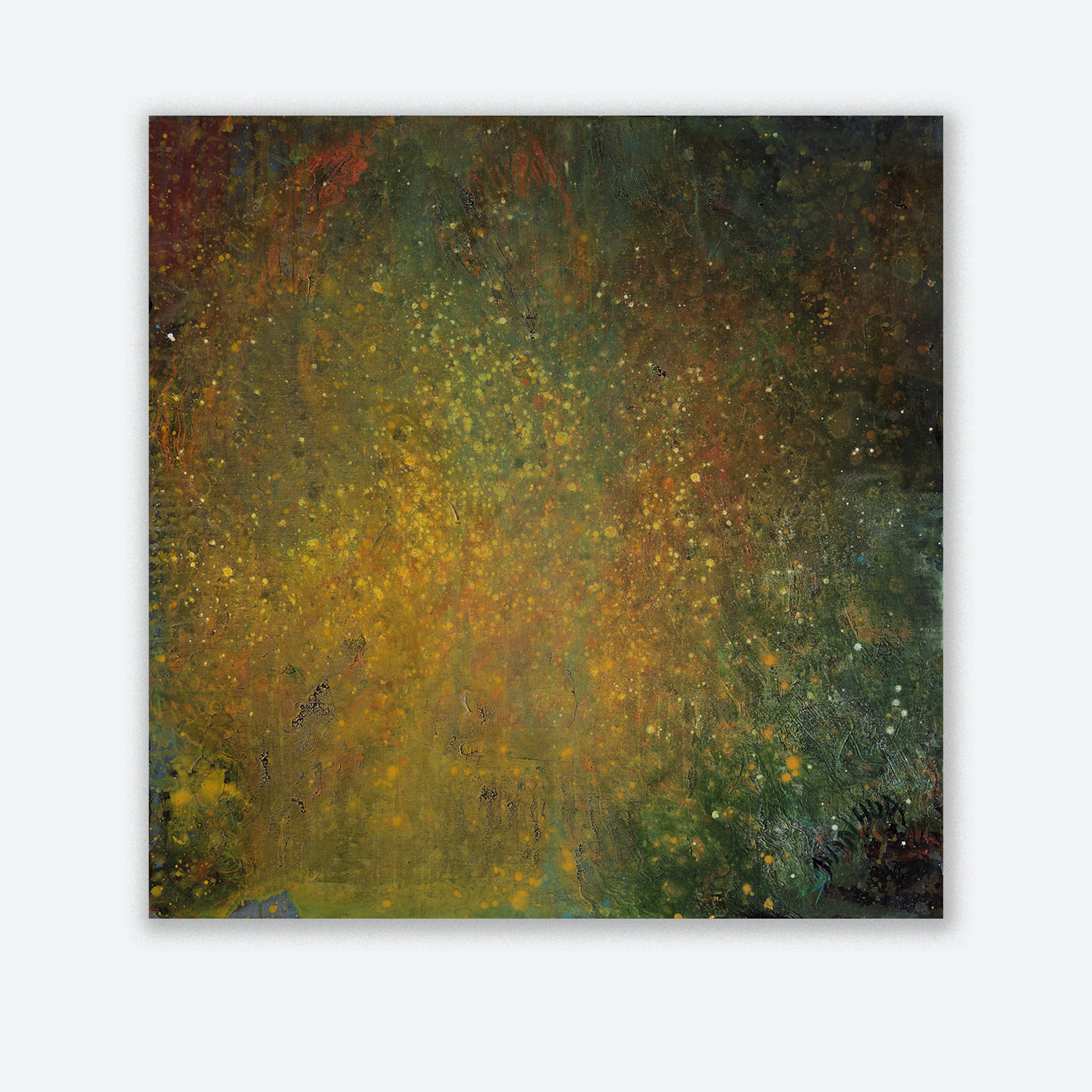
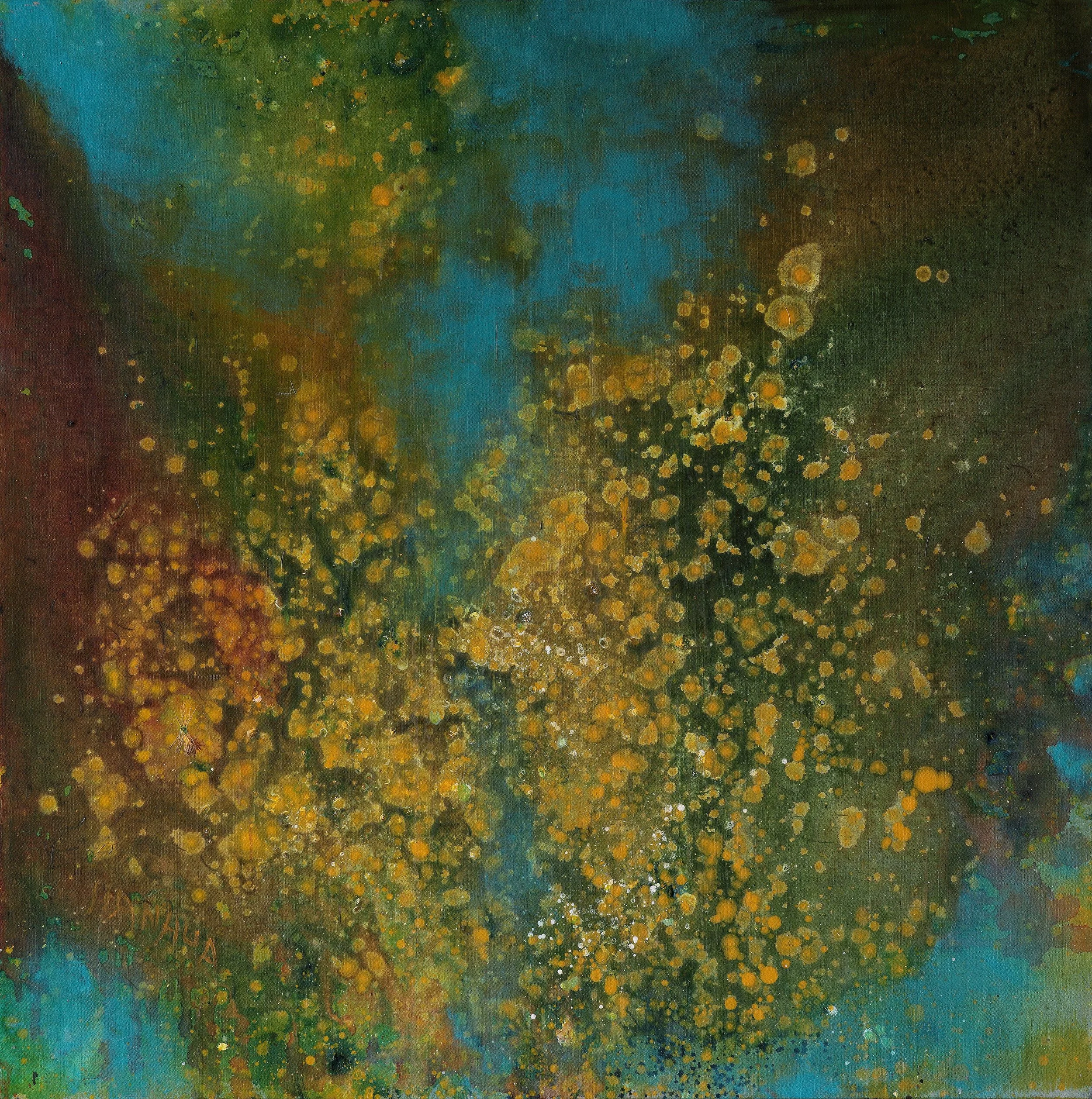
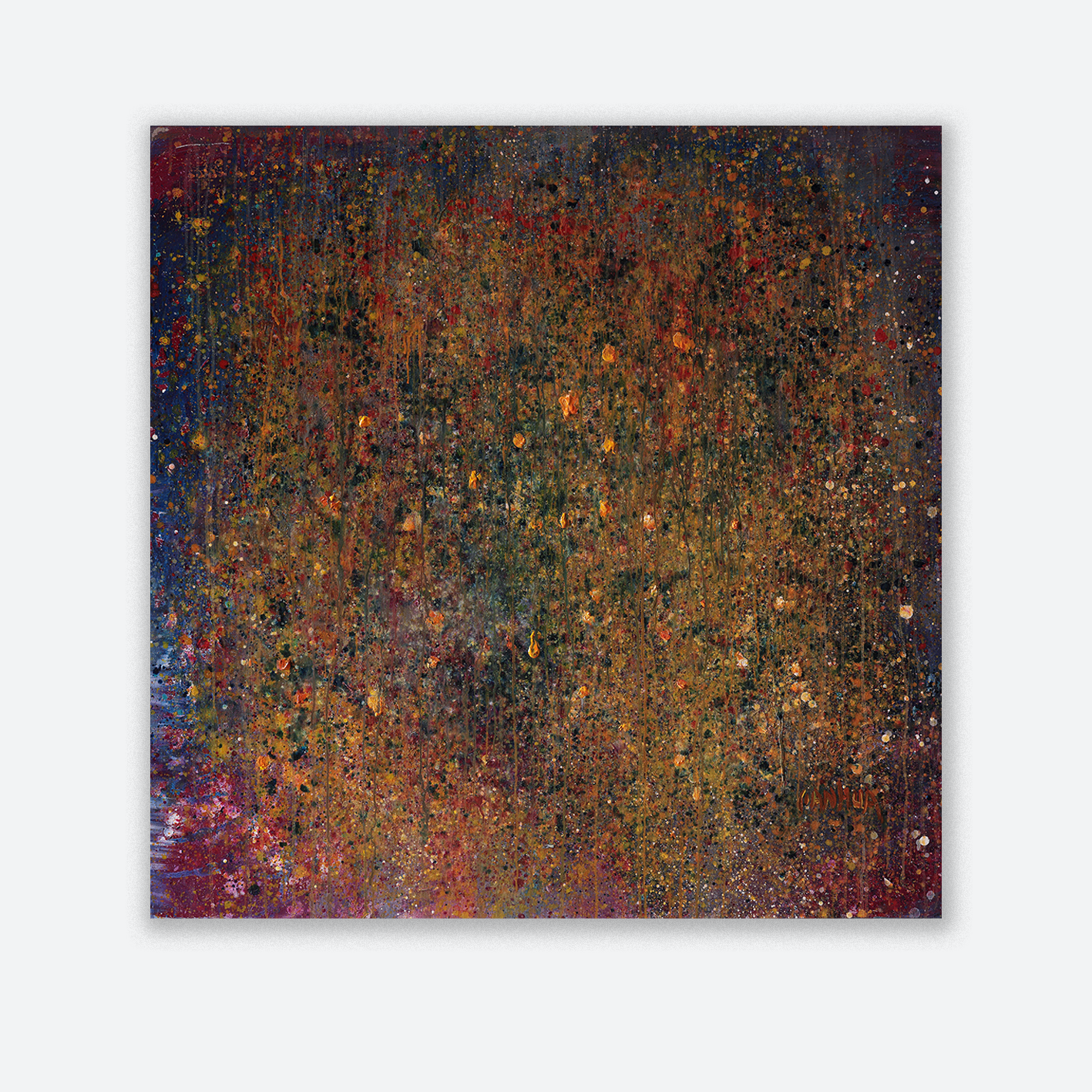
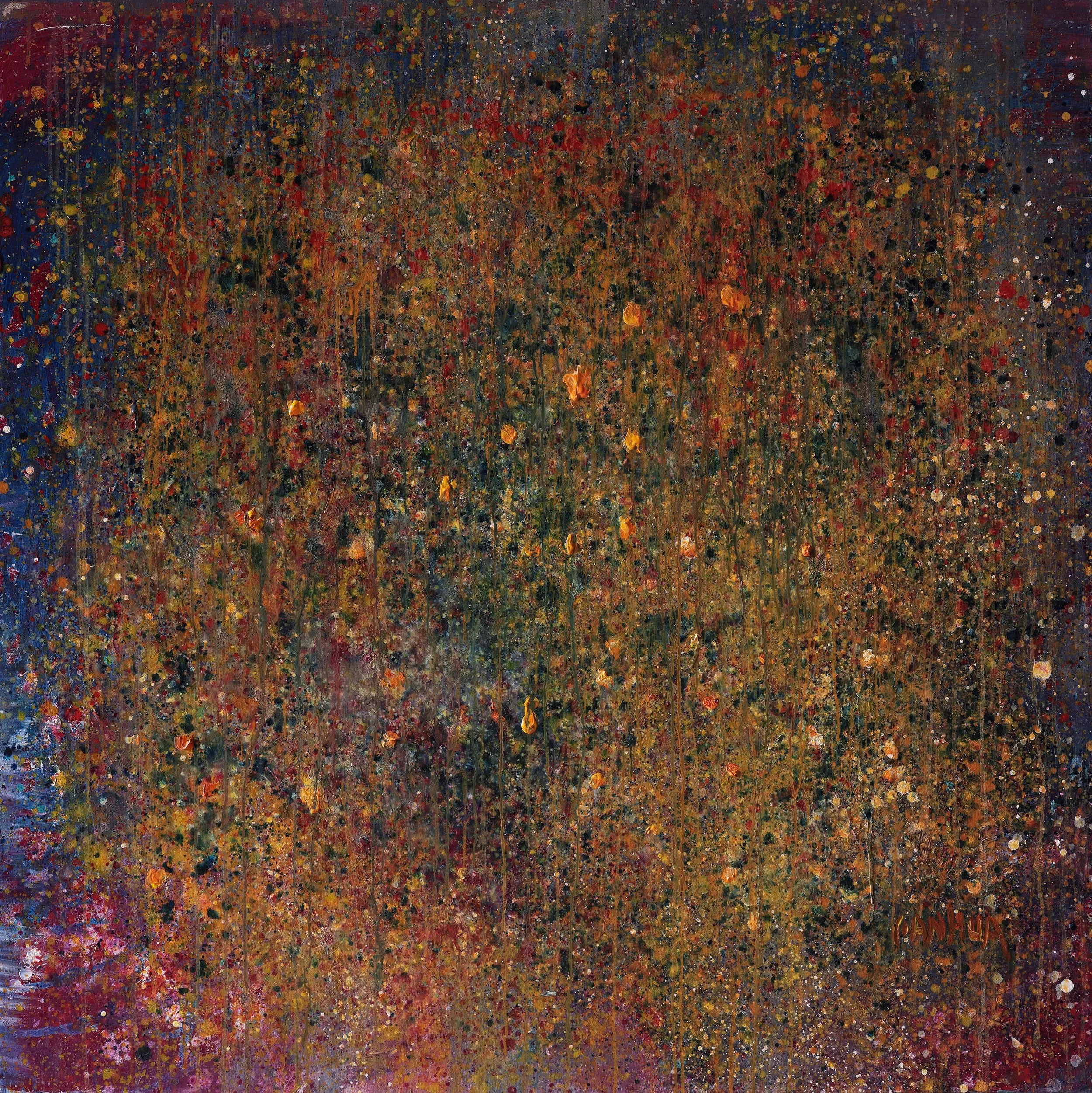
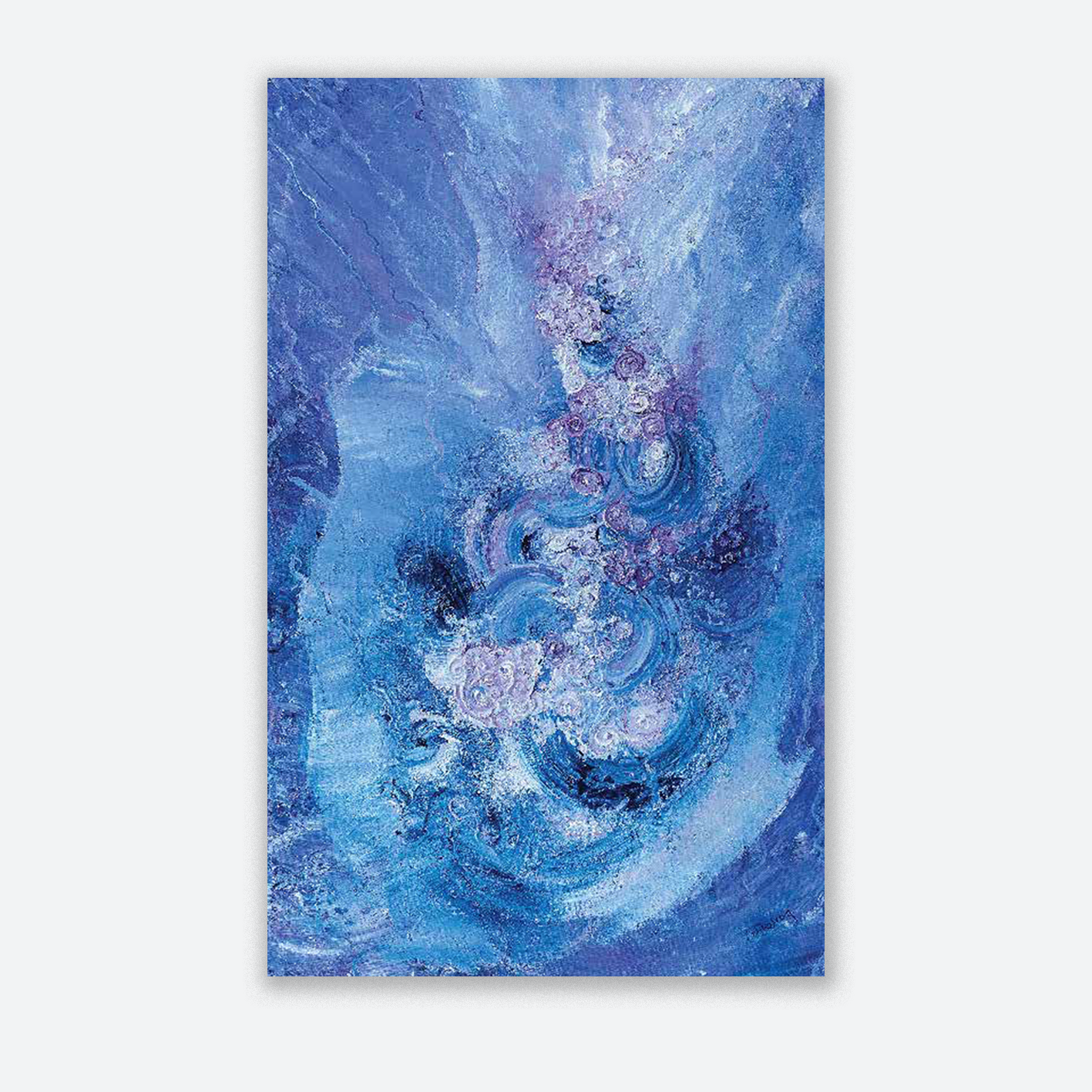
This series, “The Primordial Rhythm of the Earth”, is a tribute to her agrarian childhood and an artistic representation of the rhythms of nature, and even the universe, and their impact on all life on earth. Unlike her previous characteristic style of using a minimal palette of black and white or monotone to convey her feelings, Zhou uses a wide range of colours for this series. The multiple colours with their many nuances represent the expansiveness of nature. The series explores nature's patterns, which, to Zhou, function similarly to musical patterns and motifs. There's momentum, and movements that begin and end, imparting on the hearer/viewer a rich nuance of emotions that invites them to experience feelings of mortality: anticipation, hope, sadness, complexity, and joy.