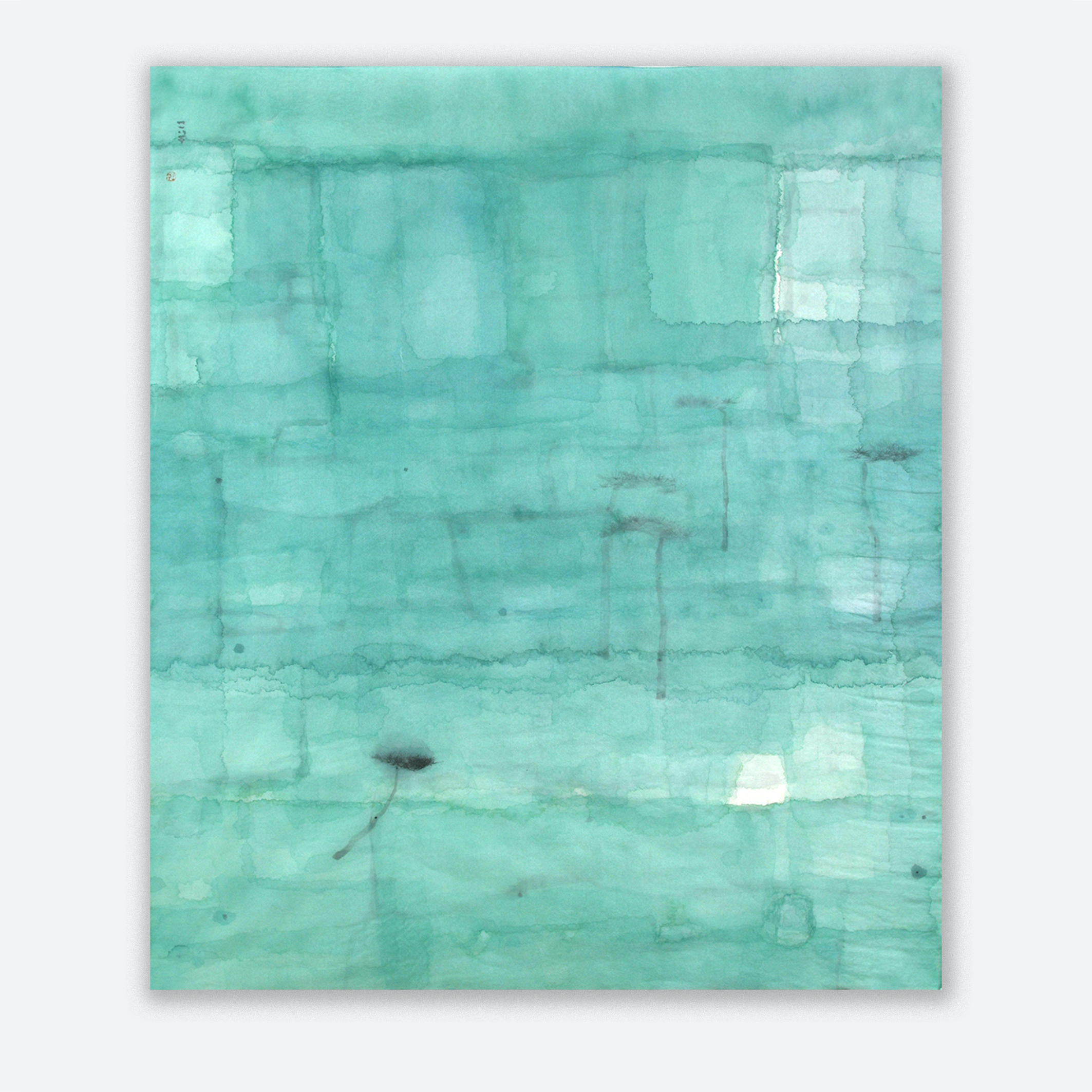
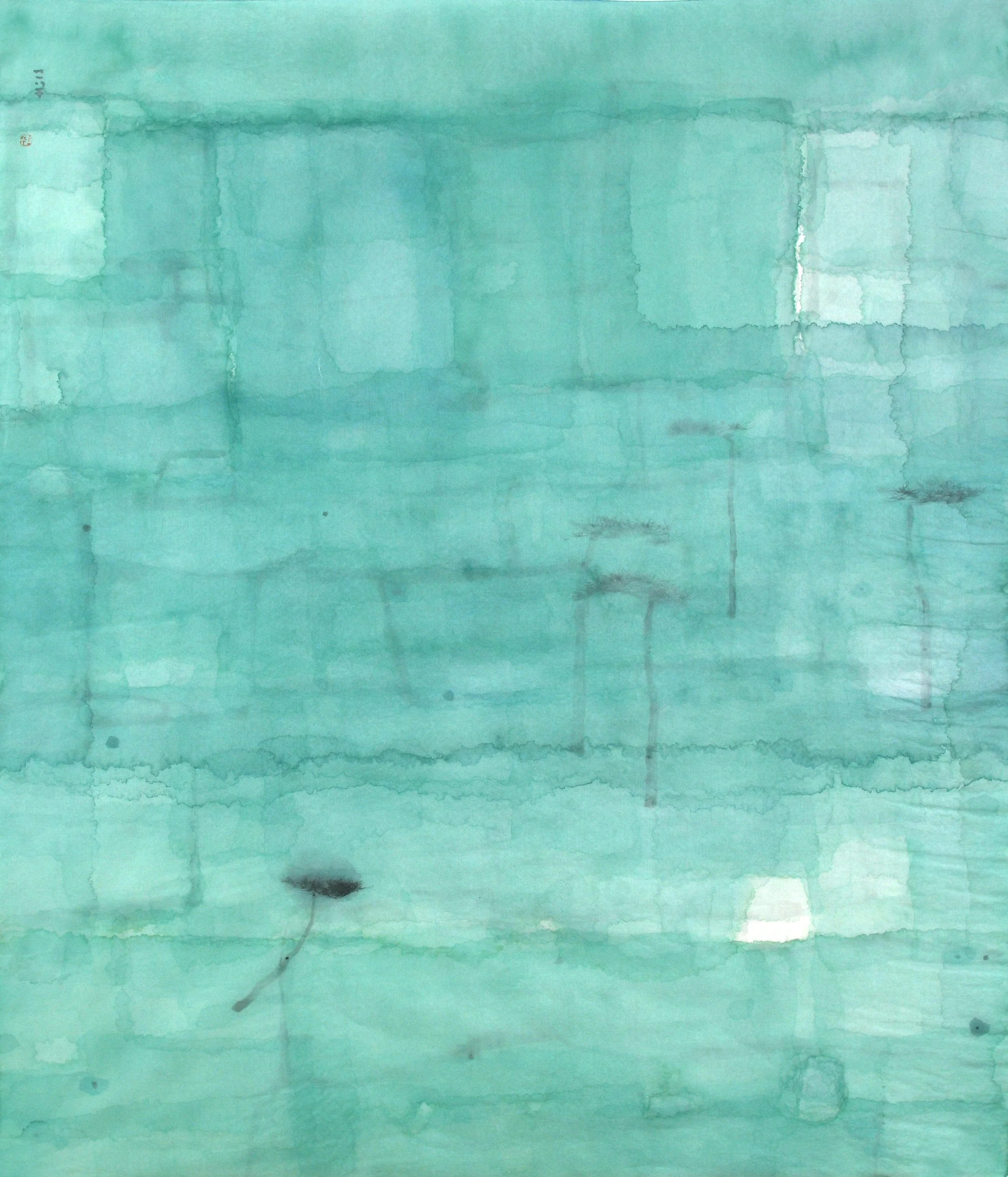
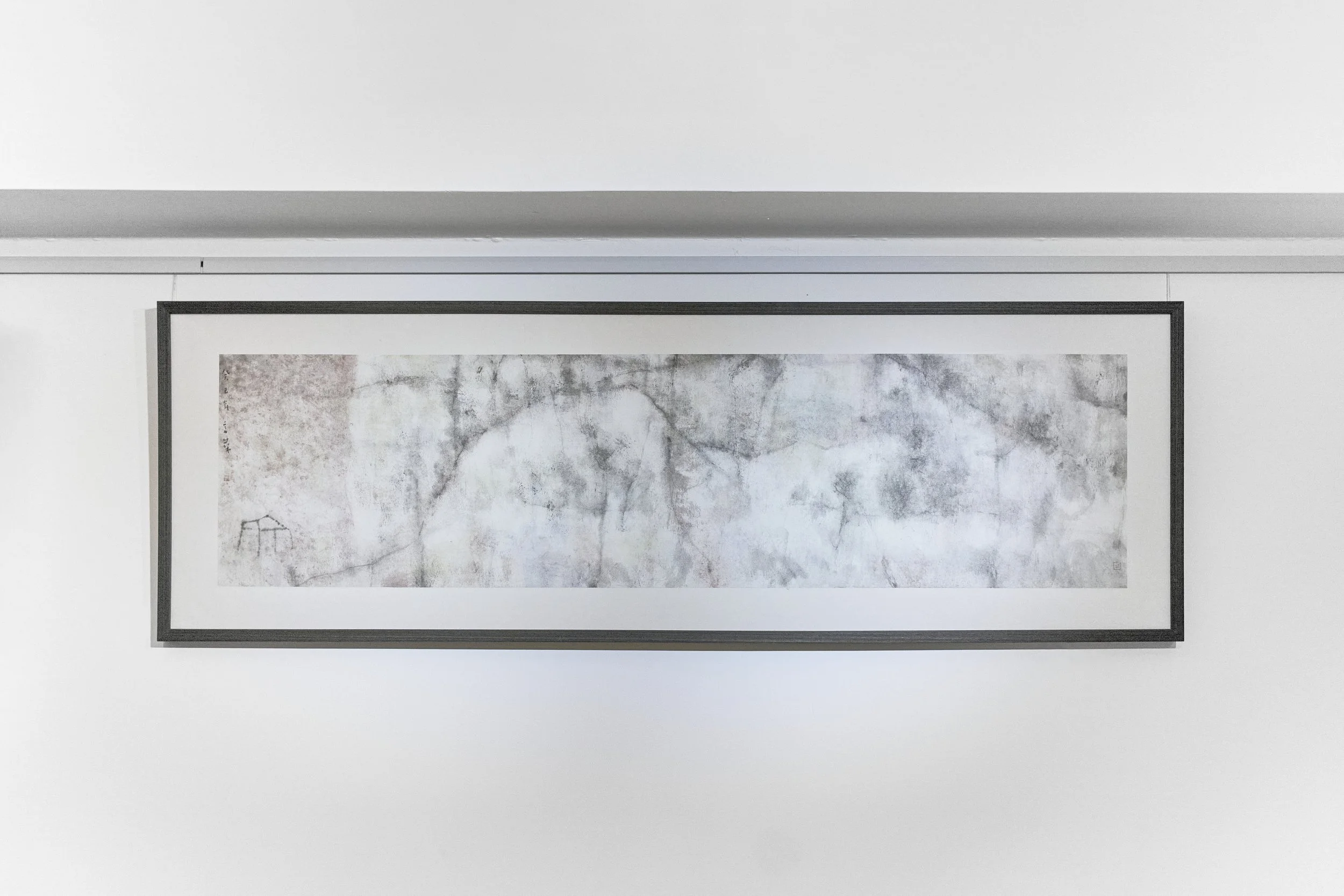
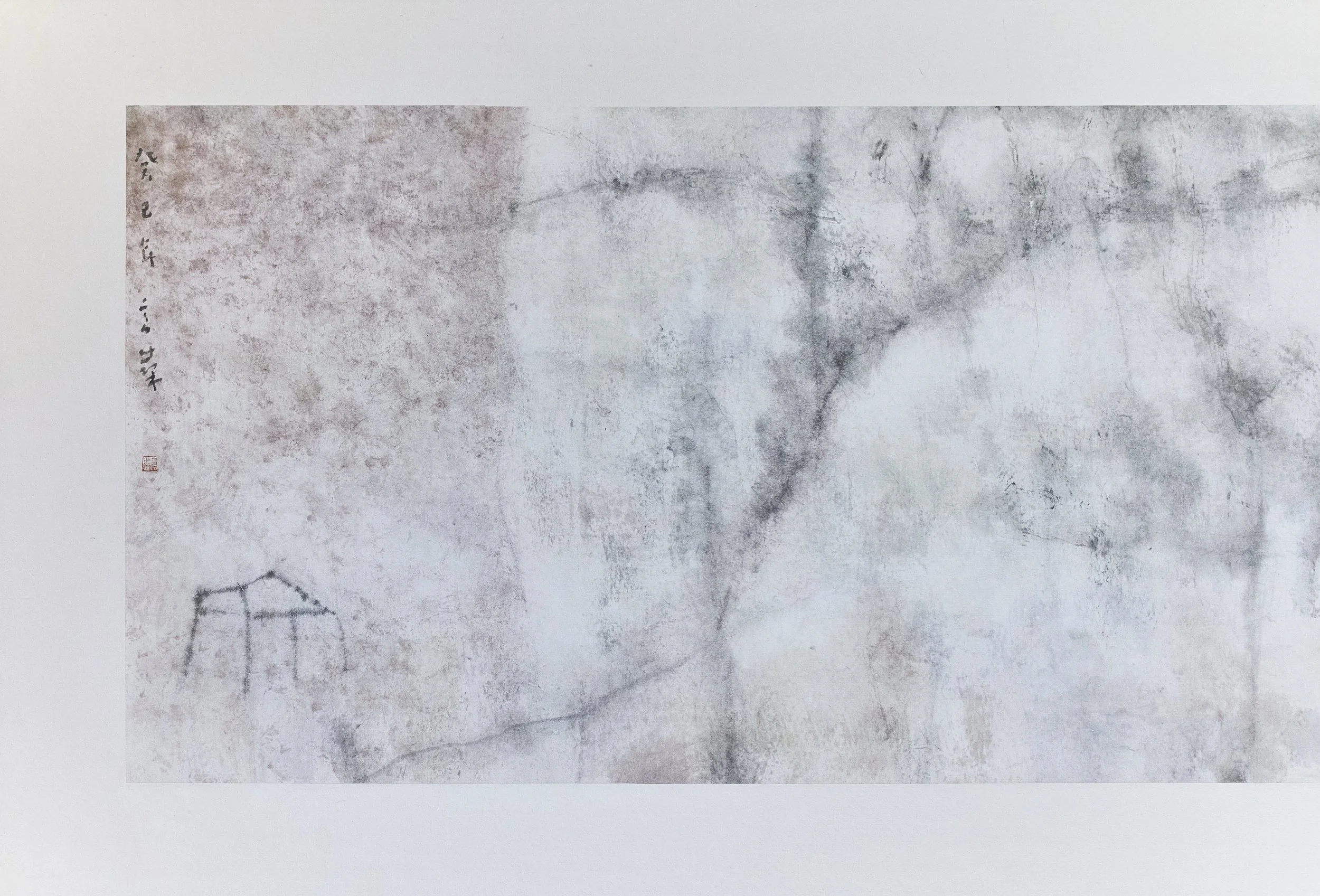
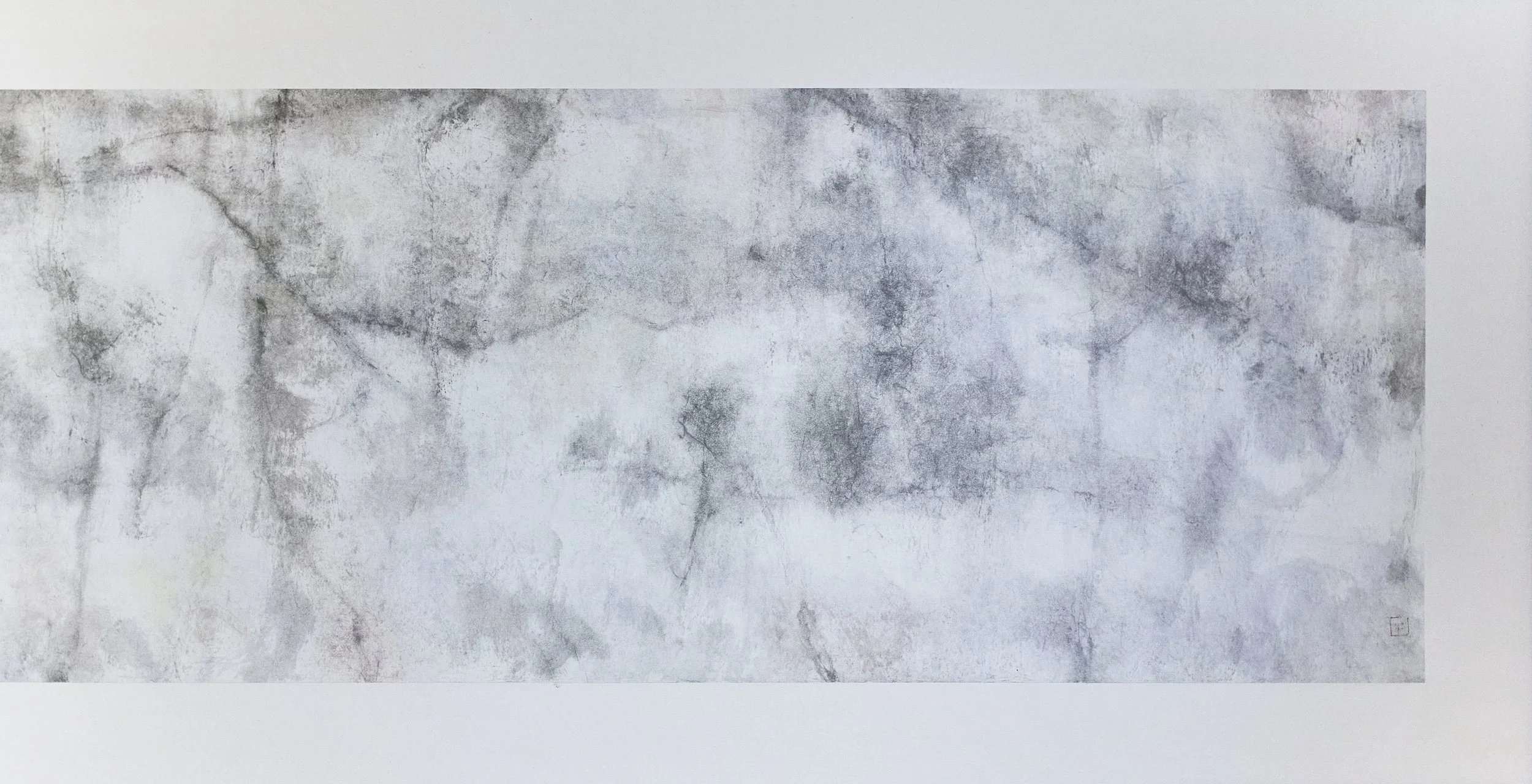
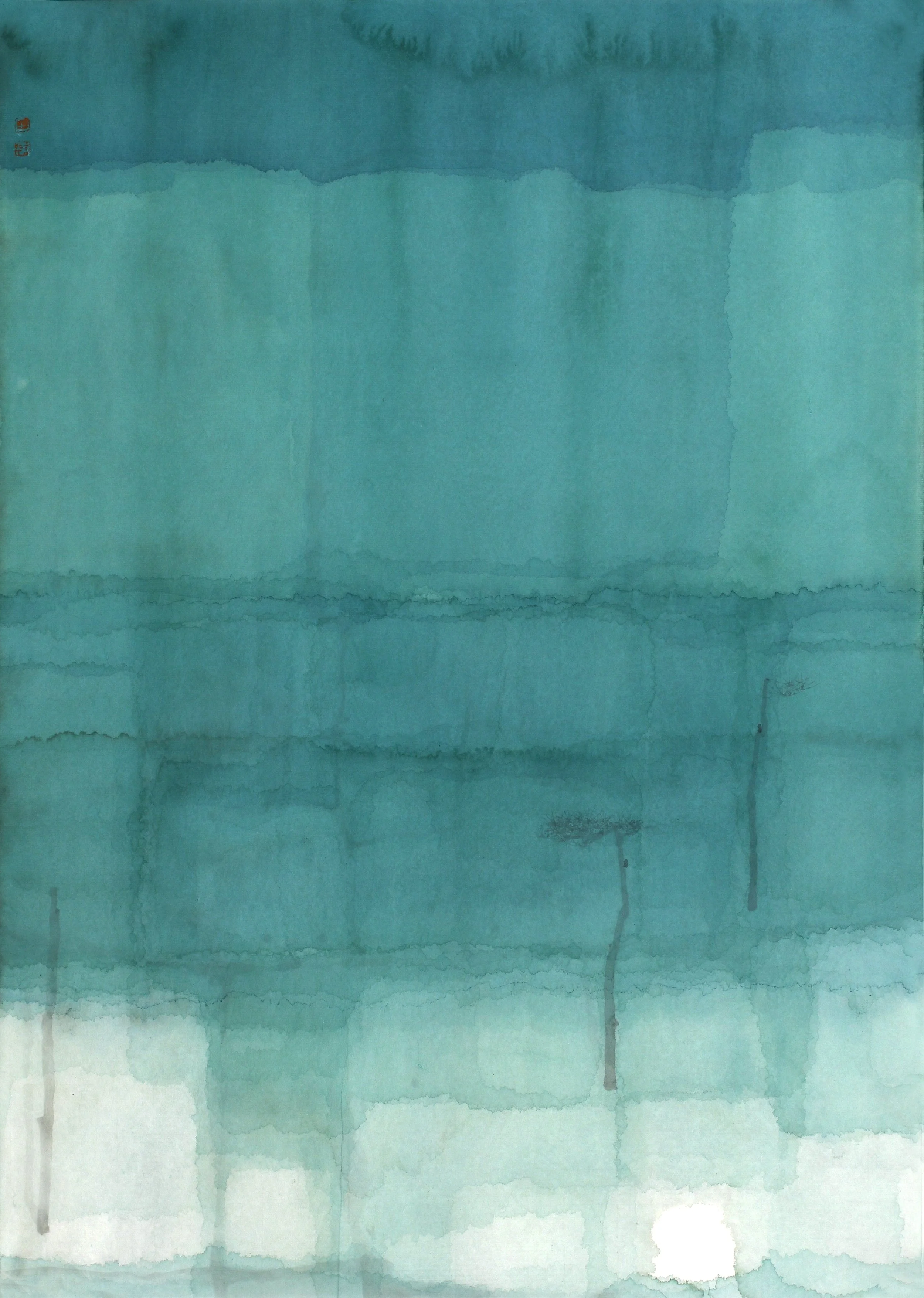
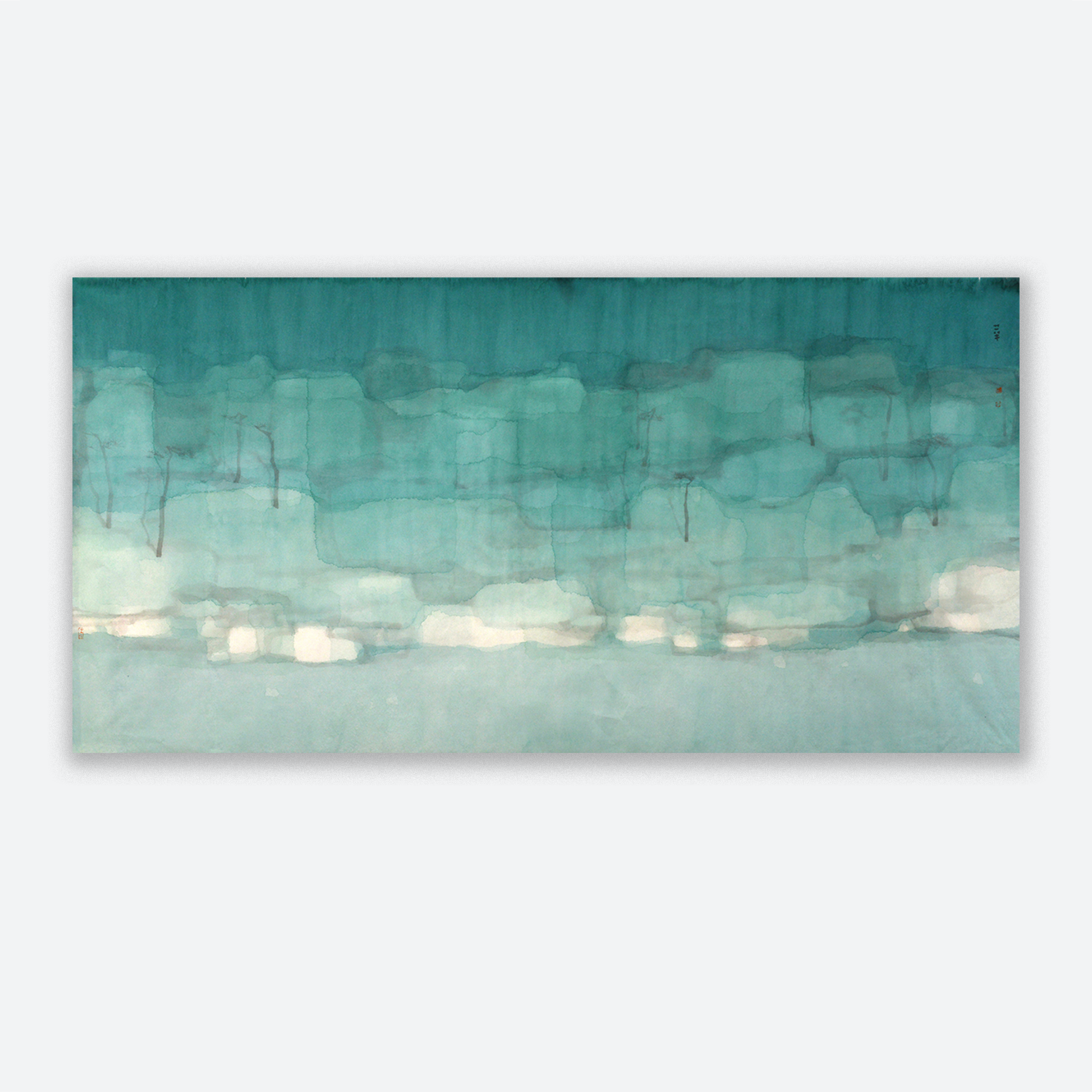
 Image 1 of 2
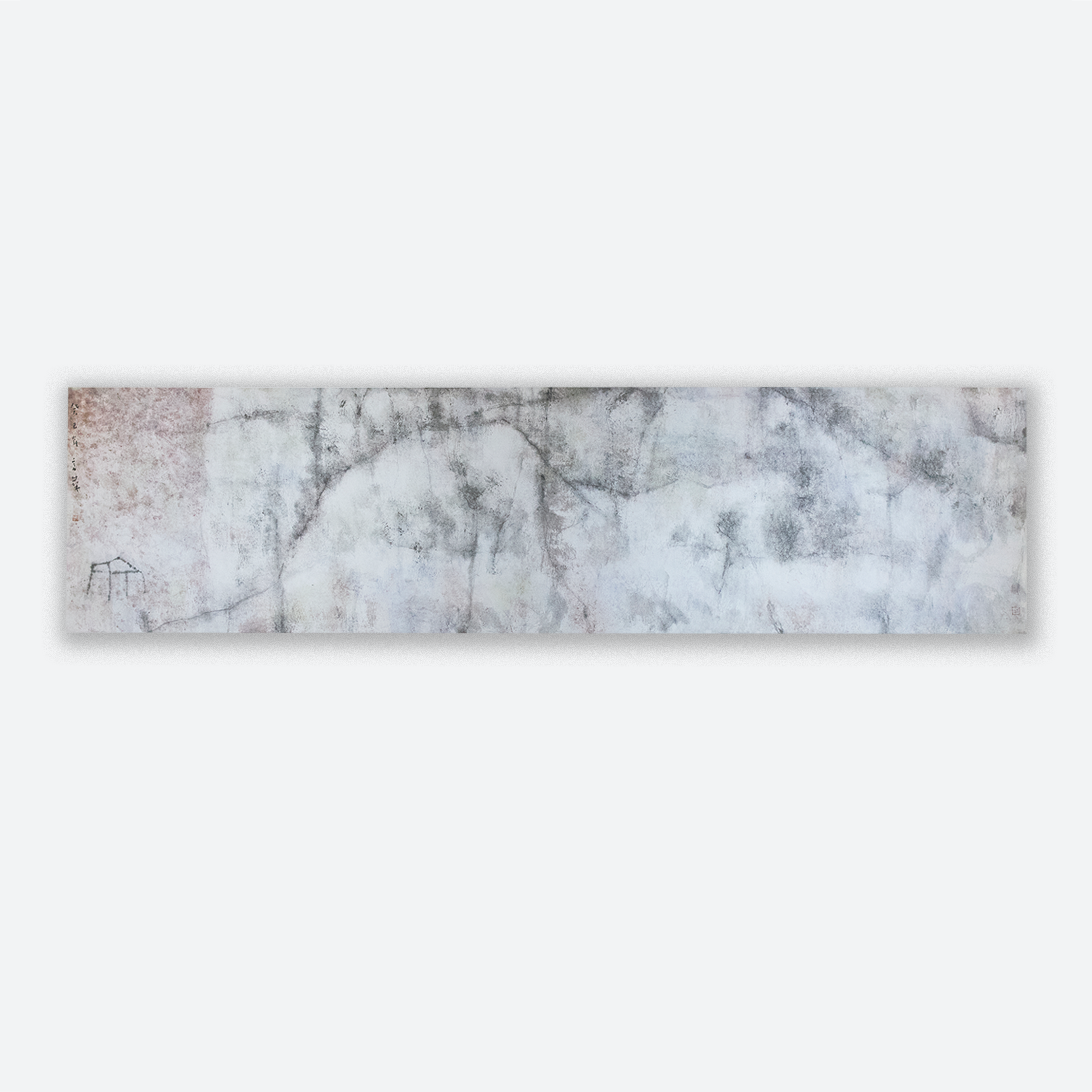
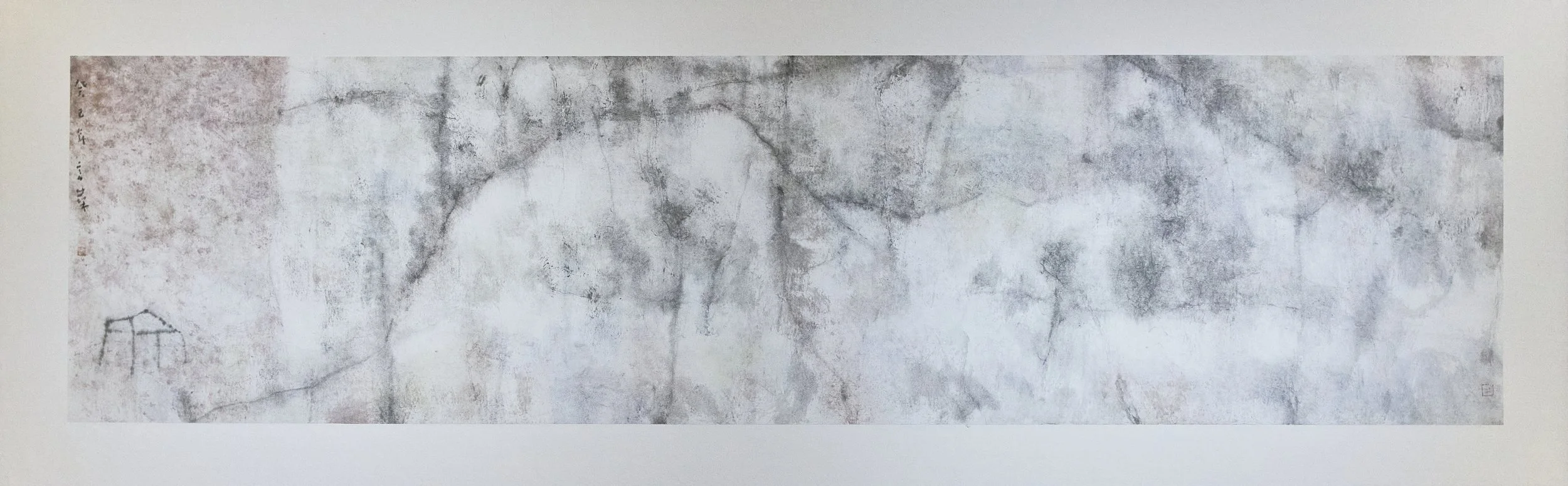
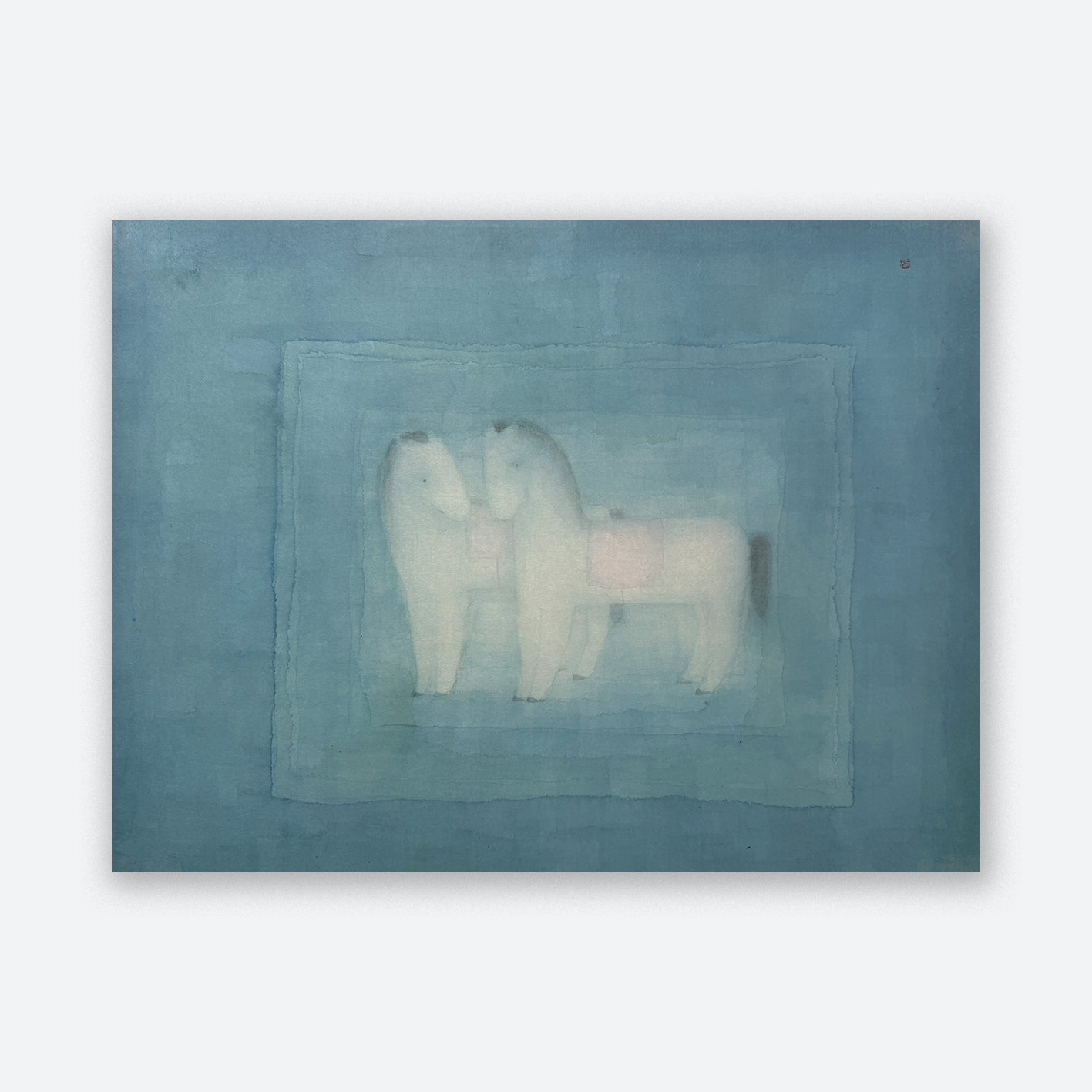
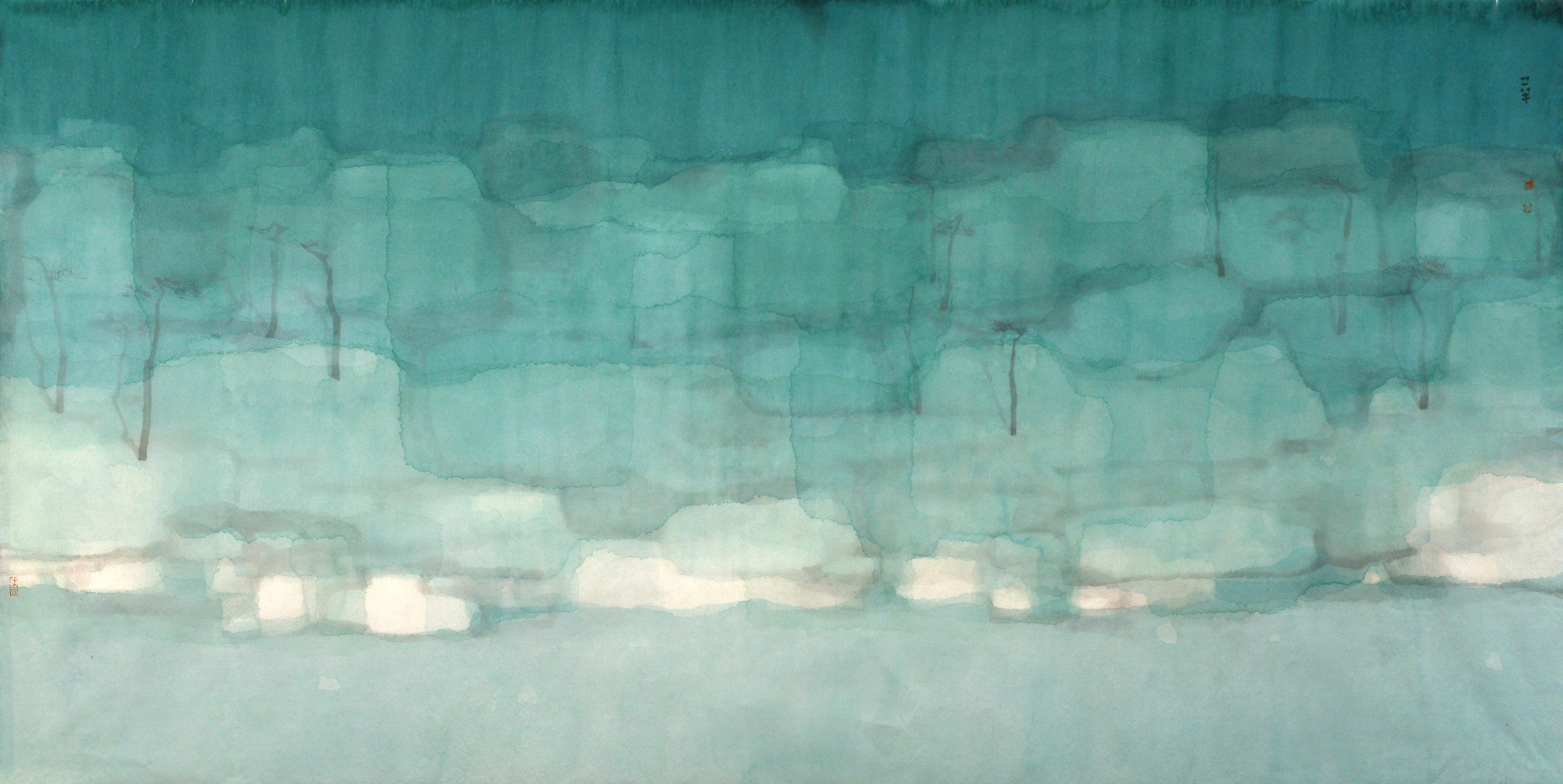 Image 2 of 2
畫道其茫
田言華近作心解
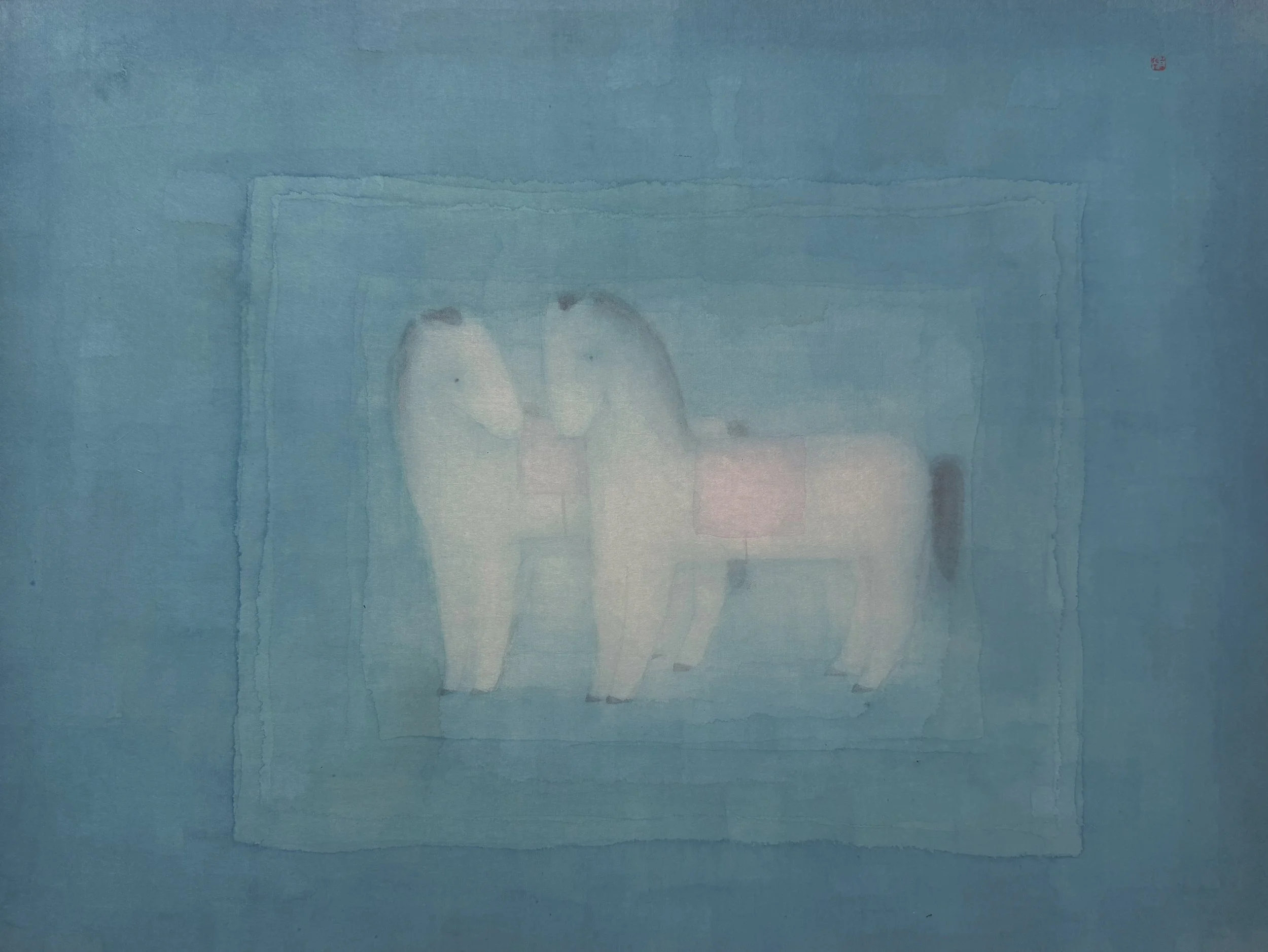
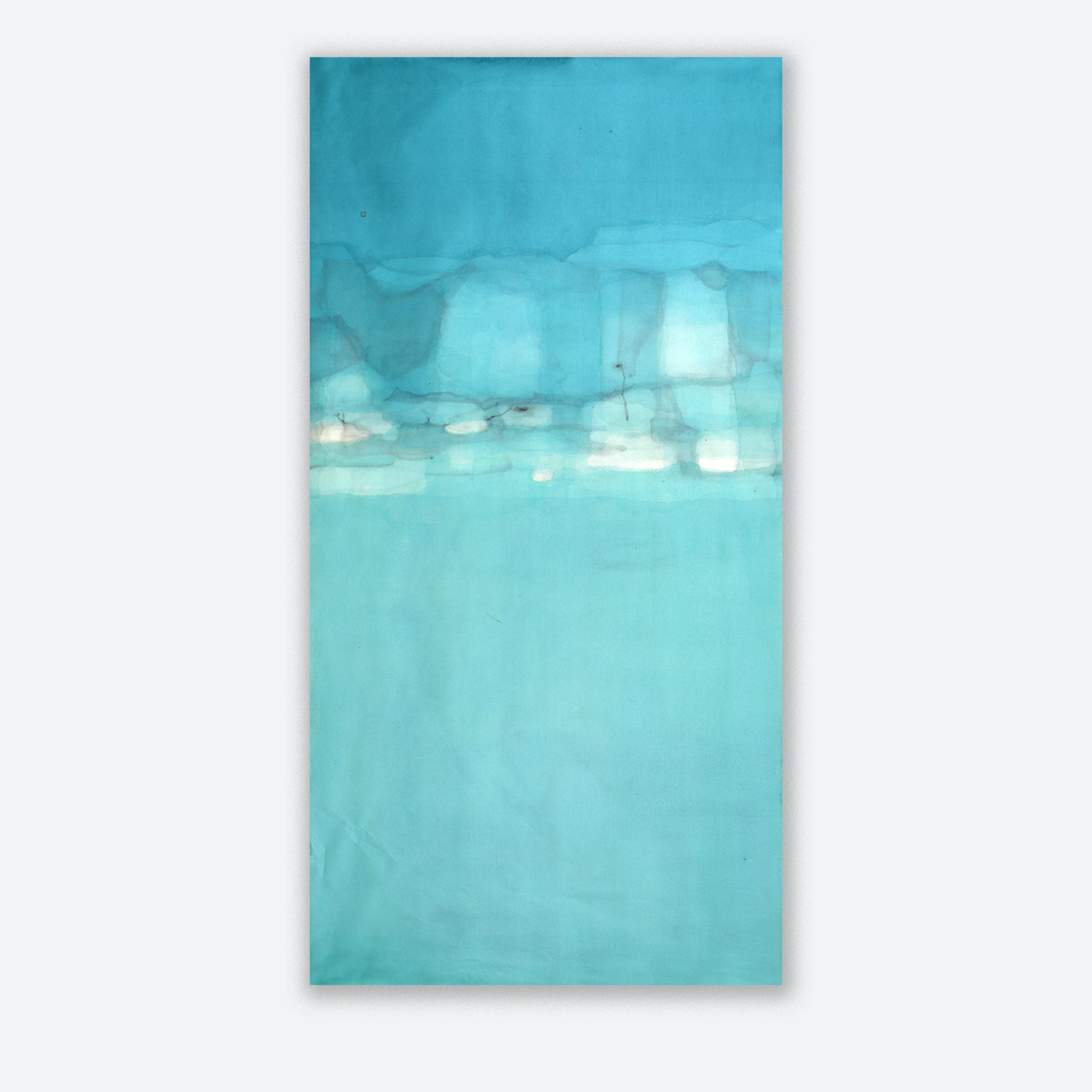
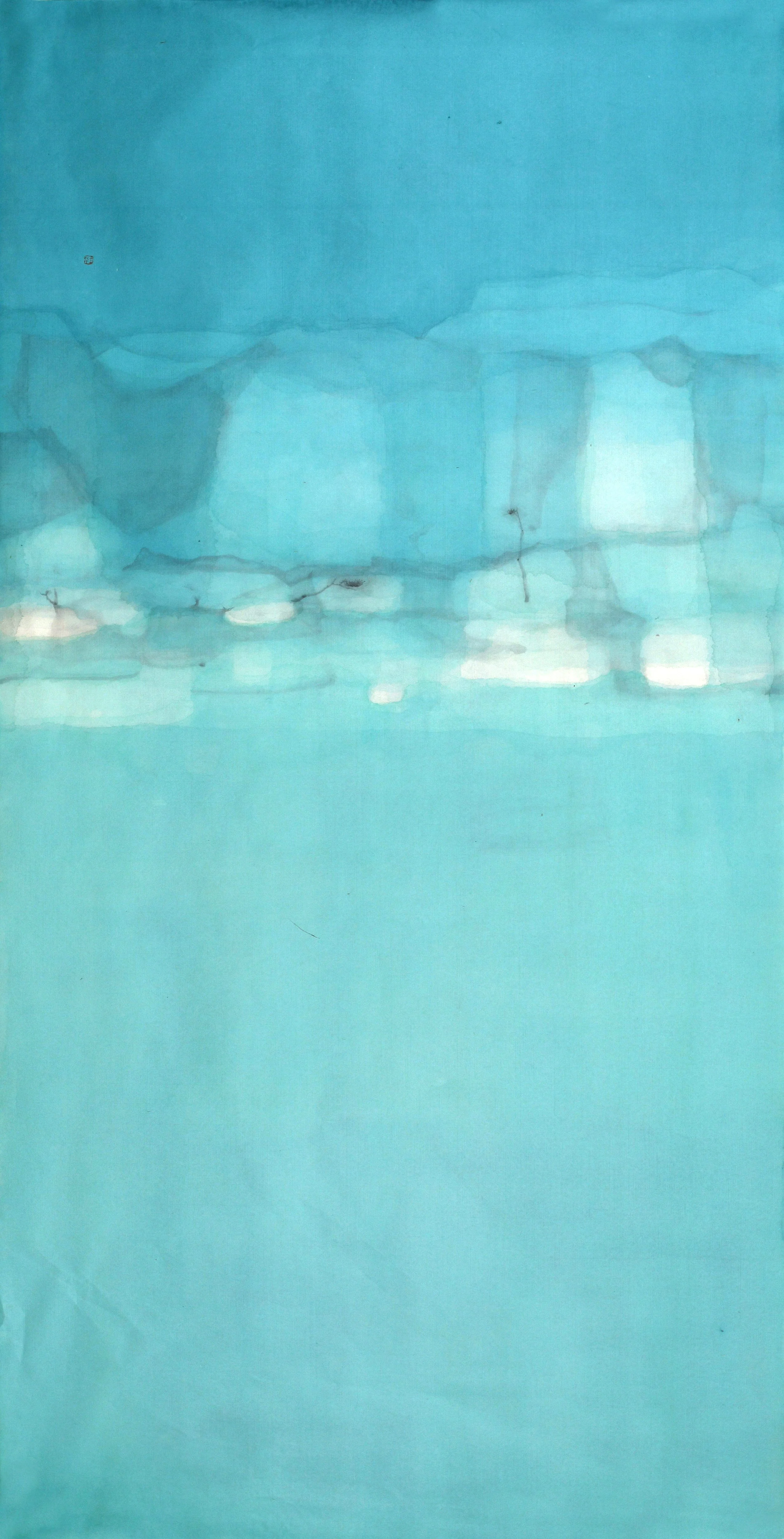
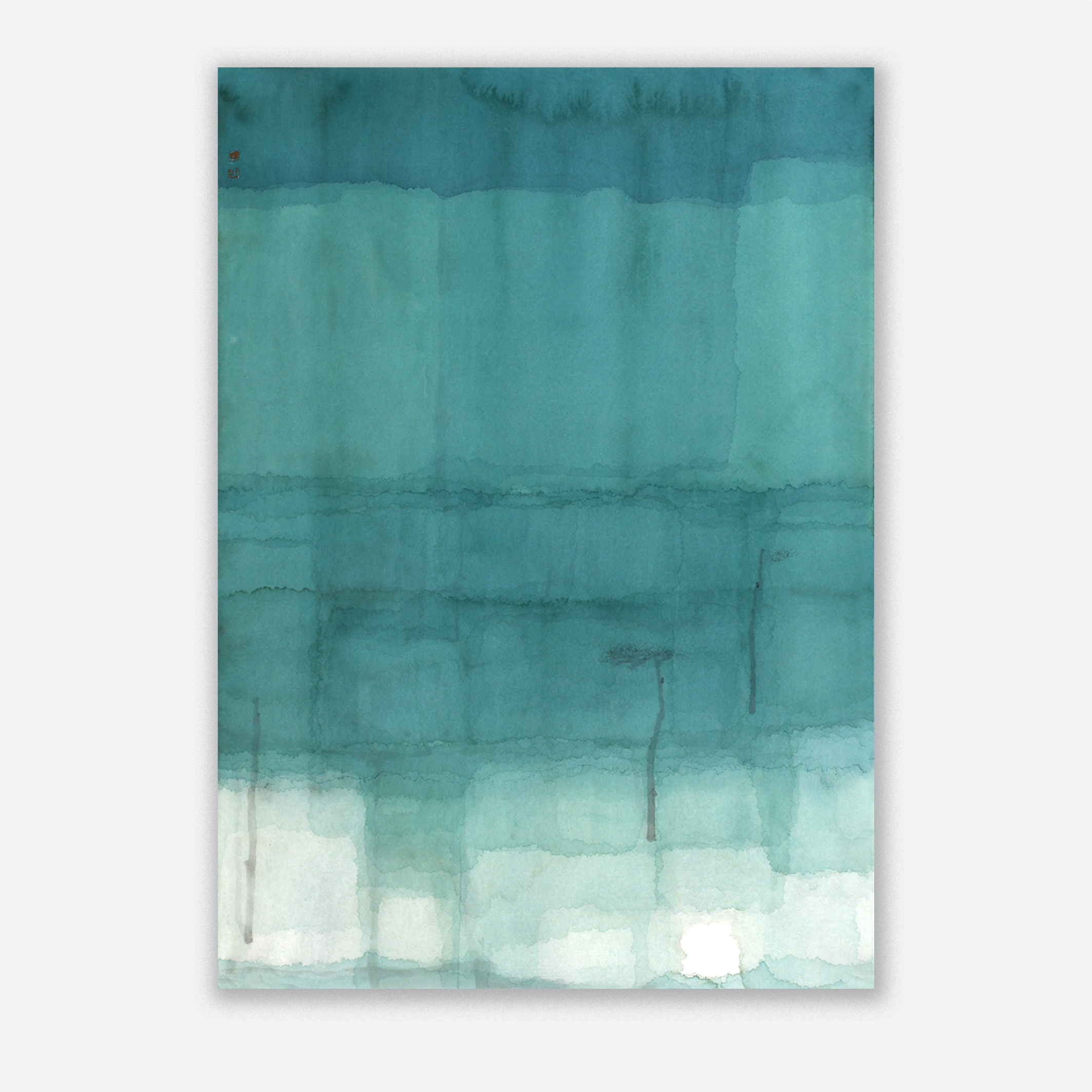
茫,意為迢渺、模糊,不可徹察之情狀。故茫之謂,關乎文藝美學甚多,其根源乃在於莊禪哲學,「惚兮恍兮,其中有象」,是為耳熟能詳之論。田言華以其繪畫實踐,浸淫其中已久,頗多心會。其近作由人物之類轉為純粹冥想空間,脫出題材之分際,無所依傍,自成一格,我每讀其新畫則為之慨然稱奇。
質言之,畫之大道有三茫:其一曰渾茫,一體大化,舉目盡收,廓然淳然,一派混蒙,存乎統覺,未知其所以而然之,猶如初見高賢,仰其氣息而感應,以致心曠神怡。其二曰蒼茫,漸近畫面,方知其中氣質,並非徒然虛空,更非飄忽輕薄,雖色墨至簡,而意蘊醇厚,筆無妄下,留痕之處,定有塊壘(丘壑)存焉。其三曰微茫,近而品鑒,一跡一象,盡可琢磨切磋,非常形,是常理,似無刻意,卻有玄機,精彩之處,其妙莫名。是故目有所收,心有所獲,有所收穫而不能明其就裡,於是追索求解。以此三茫,驗之于田言華近作,庶幾近之:渾茫畢現,蒼茫初呈,至於微茫,尚可著意加持也。
韓愈《答李翊書》道盡文章甘苦:「儼乎其若思,茫乎其若迷,當其取於心而注於手也,惟陳言之務去,戛戛乎其難哉!」既見其茫,遂知其難,其最難之處,心注於手,去陳言,立我法,從容獨步。韓公巨擘,此語可謂夫子自道。藉以贈田言華:大道之行,更期足力,勉之勉之。
鐘孺乾
2020.5.14
Mang in Art
Approaching Tian Yanhua's new paintings
Mang means distant and indistinct and can also describe an inscrutable state. It is closely related to the aesthetics in literature and art. The artistic notion originated from the philosophies of Zhuangzi and Chan-Buddhism. One of the doctrines is known as "Vague and indefinite, it presents images". Tian Yanhua has committed to painting for a long time, so he boasts a thorough understanding of the idea of "Mang". His new works of art have turned from portraits to the space of pure meditation and thus formed a unique style by breaking the boundary of subjects. I marvel at the art each time I appreciate his new paintings.
In essence, there are three levels of mang in painting. The first one is "Hun-mang" (hazy vagueness). At this level, one can see the silhouettes, vaguely but not clearly. He looks at the art by intuition rather than with insight. This is like the first meeting with a superior man. One is awed and delighted at his great air just with the intuition. The second one is "Cang-mang" (discernible vagueness). At this level, one can approach the painting and appreciate it. He is becoming aware of the art which comes from the creation of the artist. While the color and ink are extremely simple, the artistic conception is notably great. There is an image in the traces of ink. The third one is "Wei-mang" (delicate vagueness). At this level, one can see the details of the art. Each of the painted traces is deliberately presented. The traces and images are in an uncommon shape, but with common sense. The wonder of the art, with seemingly unintentional creation, is inexpressible in words. Therefore, one will perceive what he notices with his own eyes. When he is not clear about what he has perceived, he strives to explore it. Tian Yanhua's works of art can be judged from the three levels of mang: "Hun-mang" is completely seen, "Cang-mang" is partly seen, but, as for "Wei-mang", there is certain space to improve.
Han Yu describes his effort in writing in Reply to Li Yi: "In the state of Yan (reservedness), one seems to be reflecting; in the state of Mang (puzzledness), one seems to be absorbed. When he writes out what is in his mind, he just intends to remove the platitudes. What a tough job it is!" Now that one notices the Mang (puzzledness) in expressing, he comes to know the difficulties in writing. The hardcore difficulty lies in writing out the ideas, removing the platitudes, forming the unique style, and thus managing the pen with ease. That is what Han Yu, a great ancient Chinese writer, says about himself. I quote it here, hoping that Tian Yanhua will continue to spare no effort on the way of painting.
Zhong Ruqian
May 14, 2020